

When it comes to solar energy systems, micro solar inverters play a crucial role in converting the direct current (DC) generated by solar panels into alternating current (AC) for use in homes or businesses. One of the key technical specifications that users often inquire about is the input current range of a micro solar inverter. As a micro solar inverter supplier, I'm here to delve into this topic in detail.
Understanding the Basics of Input Current in Micro Solar Inverters
The input current of a micro solar inverter refers to the amount of direct current that the inverter can accept from the connected solar panels. This parameter is closely related to the performance and efficiency of the entire solar energy system. A proper input current range ensures that the inverter can operate optimally, maximizing the power output from the solar panels.
The input current range is influenced by several factors. Firstly, the characteristics of the solar panels themselves play a significant role. Different solar panels have different maximum power point currents (Imp). For example, a high - efficiency monocrystalline solar panel might have a relatively higher Imp compared to a polycrystalline panel of the same wattage.
Secondly, environmental conditions such as sunlight intensity and temperature can also affect the input current. Under strong sunlight, the solar panels generate more current, while in low - light conditions or at high temperatures, the current output may decrease.
Typical Input Current Ranges of Micro Solar Inverters
Micro solar inverters come in various power ratings, and each rating has a corresponding input current range.
For smaller - capacity micro solar inverters, such as those with a power rating of around 200 - 400W, the input current range is usually relatively narrow. These inverters are often designed to work with a single or a small number of solar panels. The input current might typically range from 1A to 6A. This range is suitable for smaller solar panel arrays, such as those used in small residential applications or for powering specific low - power devices.
As the power rating of the micro solar inverter increases, the input current range also expands. For instance, our 800W MPPT Micro Solar Inverter has an input current range that can handle higher currents. It is designed to accommodate solar panel arrays that can generate more power. The input current range of this inverter might be from 2A to 12A. This wider range allows for more flexibility in system design, enabling users to connect a larger number of solar panels or higher - power solar panels to the inverter.
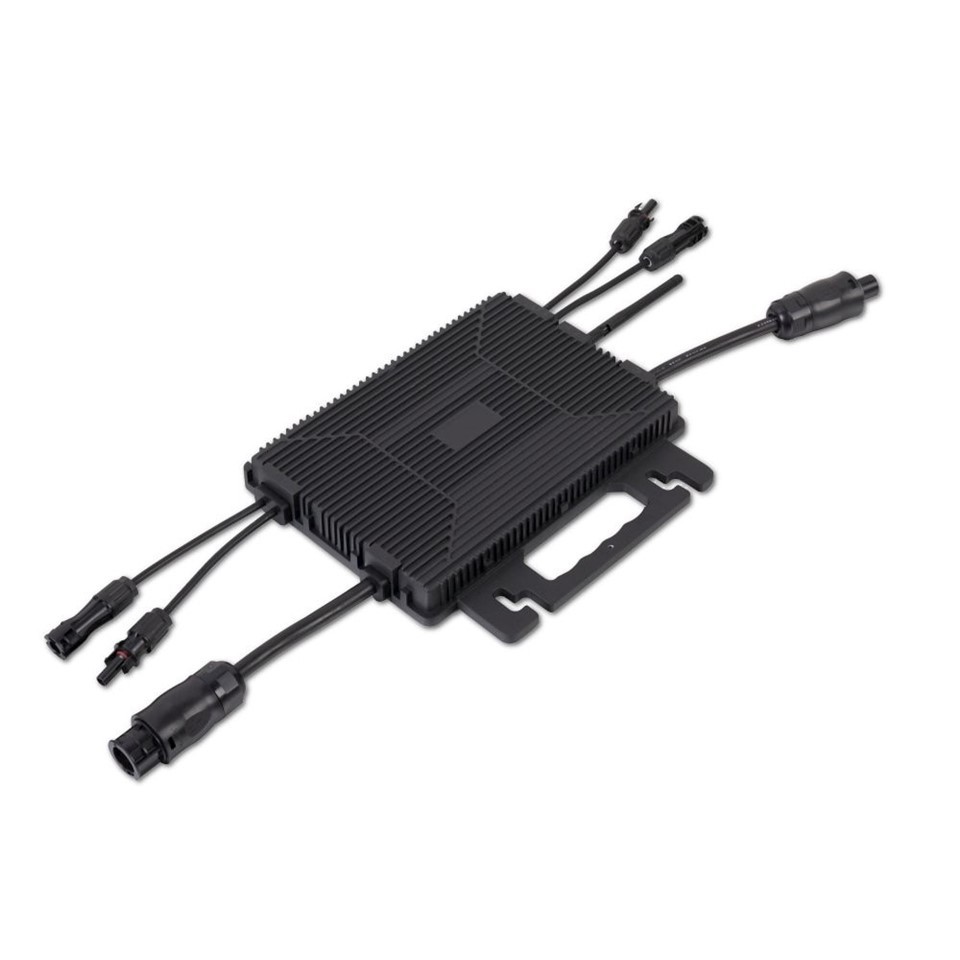

For even larger - capacity micro solar inverters, like our 2000W MPPT Micro Solar Inverter, the input current range is further extended. These inverters are suitable for medium - to large - scale solar energy systems, such as those installed on commercial buildings or large residential properties. The input current range of a 2000W micro solar inverter could be from 3A to 20A or even higher, depending on the specific design and performance requirements.
Importance of Matching Input Current Range
Matching the input current range of the micro solar inverter with the output current of the solar panels is of utmost importance. If the input current of the solar panels exceeds the upper limit of the inverter's input current range, it can cause overheating and potential damage to the inverter. This not only reduces the lifespan of the inverter but also poses a safety hazard.
On the other hand, if the output current of the solar panels is much lower than the lower limit of the inverter's input current range, the inverter may not operate at its optimal efficiency. The inverter may consume more power than it actually converts, resulting in energy losses and reduced overall system performance.
To ensure a proper match, it is essential to carefully select the solar panels and the micro solar inverter based on their technical specifications. When designing a solar energy system, it is advisable to consult with a professional or refer to the product manuals provided by the manufacturers.
How Our Micro Solar Inverters are Designed for Optimal Input Current Handling
As a micro solar inverter supplier, we pay great attention to the design and development of our products to ensure they can handle a wide and appropriate input current range. Our R & D team conducts extensive research and testing to optimize the internal circuits and components of the inverters.
We use high - quality semiconductor materials and advanced power electronics technology to improve the inverter's ability to handle different input currents. For example, our inverters are equipped with maximum power point tracking (MPPT) technology. This technology continuously monitors the input current and voltage from the solar panels and adjusts the operating point of the inverter to maximize the power output. It can quickly adapt to changes in sunlight intensity and temperature, ensuring that the inverter operates efficiently within the specified input current range.
In addition, our inverters are designed with over - current protection mechanisms. These mechanisms can detect when the input current exceeds the safe limit and automatically take measures to protect the inverter. This includes reducing the power output or shutting down the inverter temporarily to prevent damage.
Conclusion and Invitation for Purchase
In conclusion, the input current range of a micro solar inverter is a critical parameter that affects the performance and efficiency of a solar energy system. By understanding the typical input current ranges of different - capacity micro solar inverters and the importance of matching them with the solar panels, users can make more informed decisions when designing and installing solar energy systems.
Our company offers a wide range of micro solar inverters with different power ratings and input current ranges to meet the diverse needs of our customers. Whether you are looking for a small - capacity inverter for a residential rooftop solar system or a large - capacity inverter for a commercial project, we have the right product for you.
If you are interested in our micro solar inverters or have any questions about the input current range or other technical specifications, please feel free to contact us. We are more than happy to provide you with detailed product information and assist you in selecting the most suitable inverter for your solar energy system. Let's work together to make the most of solar energy and contribute to a greener future.
References
- Solar Energy Handbook, Third Edition, by John F. Kreith and Donald Yogi Goswami
- Power Electronics: Converters, Applications, and Design, Third Edition, by Ned Mohan, Tore M. Undeland, and William P. Robbins