

As a seasoned supplier of photovoltaic solar panels, I've witnessed the burgeoning interest in solar energy solutions. A common question that arises among potential customers is, "What is the difference between grid - tied and off - grid photovoltaic solar panel systems?" In this blog, I'll delve into the intricacies of these two systems to help you make an informed decision for your energy needs.
Grid - Tied Photovoltaic Solar Panel Systems
A grid - tied solar panel system, as the name suggests, is connected to the local utility grid. This connection allows for a symbiotic relationship between your solar power setup and the traditional electricity grid.
How It Works
When sunlight hits your solar panels, they convert solar energy into direct current (DC) electricity. An inverter then transforms this DC power into alternating current (AC), which is the type of electricity used in most homes and businesses. The AC power is first used to meet the immediate electrical demands of your property. Any excess electricity that you generate is fed back into the grid.
In many regions, utility companies offer a mechanism called net metering. With net metering, you receive credits on your electricity bill for the excess power you contribute to the grid. During times when your solar panels aren't producing enough electricity, such as at night or on cloudy days, you can draw power from the grid using the credits you've accumulated.
Advantages
- Cost - Efficiency: Grid - tied systems are generally more cost - effective than off - grid systems. Since you're connected to the grid, you don't need to invest in expensive energy storage solutions like batteries. This significantly reduces the upfront installation costs.
- Reliability: You can rely on the grid as a backup power source. Even if your solar panels aren't generating enough electricity, you won't experience power outages.
- Return on Investment: Through net metering, you can potentially reduce or even eliminate your electricity bills. Over time, this can lead to substantial savings and a good return on your investment.
Disadvantages
- Dependency on the Grid: In the event of a grid outage, your grid - tied system will shut down for safety reasons. This is because the system is designed to prevent electricity from flowing back into the grid during an outage, which could endanger utility workers.
- Limited Energy Independence: Since you're still connected to the grid, you're subject to utility rate changes and grid regulations.
Off - Grid Photovoltaic Solar Panel Systems
An off - grid solar panel system operates independently of the utility grid. It is a self - contained power generation and storage system that provides electricity to your property without relying on external power sources.
How It Works
Similar to grid - tied systems, off - grid solar panels convert sunlight into DC electricity, which is then converted to AC by an inverter. However, the key difference is the inclusion of a battery bank. The excess electricity generated by the solar panels is stored in the batteries for later use. When your solar panels aren't producing enough power, the stored energy in the batteries is used to meet your electrical needs.
Advantages
- Energy Independence: Off - grid systems offer complete energy independence. You're not affected by grid outages, utility rate hikes, or grid regulations. This is particularly beneficial for remote locations where grid access is limited or non - existent.
- Environmental Sustainability: By relying solely on solar energy, you're reducing your carbon footprint and contributing to a more sustainable environment.
- Long - Term Savings: Although the upfront costs are higher, over the long term, you can save money by not having to pay monthly electricity bills.
Disadvantages
- High Upfront Costs: The inclusion of a battery bank and other components makes off - grid systems more expensive to install than grid - tied systems.
- Maintenance Requirements: Batteries have a limited lifespan and require regular maintenance. You'll need to replace the batteries every few years, which adds to the overall cost of the system.
- Limited Power Capacity: The amount of electricity you can use is limited by the size of your solar panel array and battery bank. You may need to be more conscious of your energy consumption to avoid running out of power.
Choosing the Right System for You
The decision between a grid - tied and off - grid system depends on several factors:
- Location: If you live in a remote area with no access to the grid, an off - grid system is your only option. However, if you're in an urban or suburban area with reliable grid access, a grid - tied system may be more suitable.
- Energy Consumption: Consider your average energy consumption. If you have high energy demands, you may need a larger solar panel array and battery bank for an off - grid system, which can be costly. A grid - tied system may be more practical in this case.
- Budget: Your budget plays a crucial role in the decision - making process. If you have a limited budget, a grid - tied system may be the more affordable option. However, if you're willing to make a larger upfront investment for long - term energy independence, an off - grid system may be worth considering.
Our Product Offerings
As a leading supplier of photovoltaic solar panels, we offer a wide range of products to meet your specific needs. Whether you're looking for a grid - tied or off - grid system, we have the right solar panels for you.
For those interested in portable and flexible solutions, our 200W Portable Solar Panel is an excellent choice. It's lightweight and easy to carry, making it ideal for camping, RVs, and other off - grid applications.
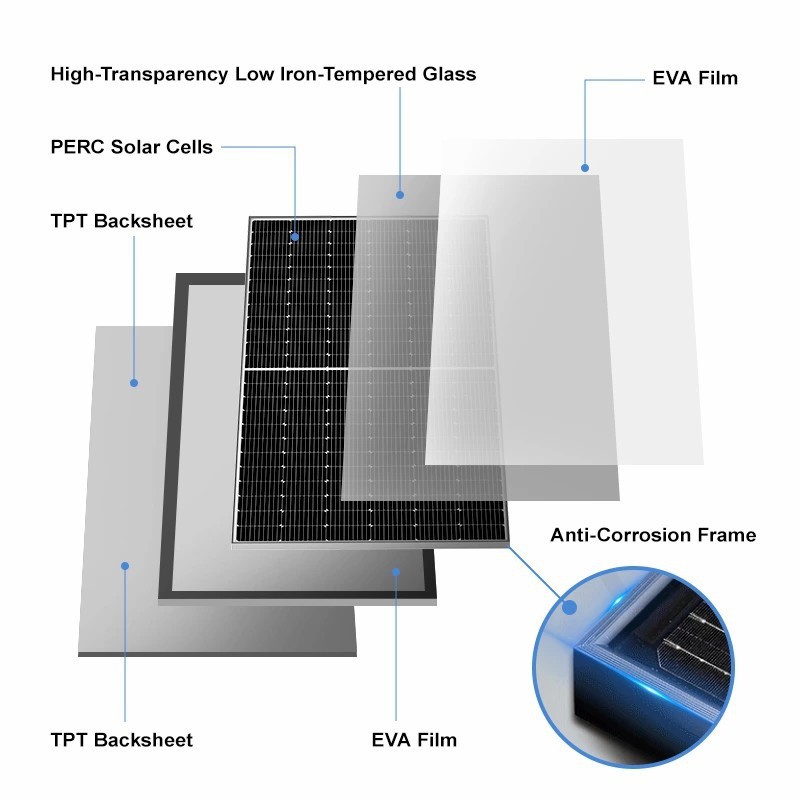
If you're looking for high - efficiency solar panels for a larger installation, our 550 Watt Monocrystalline Solar Panel and 600W PV Solar Panel are top - of - the - line products. These panels are designed to maximize energy production and provide reliable performance for both grid - tied and off - grid systems.
Contact Us for Procurement
If you're considering installing a photovoltaic solar panel system, we're here to help. Our team of experts can provide you with personalized advice, system design, and installation services. Whether you're interested in a grid - tied or off - grid system, we have the knowledge and experience to ensure a successful installation.

Contact us today to discuss your energy needs and explore the best solar panel solutions for your home or business. We look forward to helping you make the switch to clean, renewable energy.
References
- "Solar Power for Dummies" by Rik DeGunther
- "Off - Grid Living: How to Build Your Own Sustainable Home" by Derek "Grizzly" Diedricksen
- Various industry reports and research papers on solar energy systems.