

Hey there! I'm a supplier of hybrid solar inverters, and today I want to dig into a super important topic: What is the self - consumption rate of a hybrid solar inverter system?
First off, let's quickly go over what a hybrid solar inverter system is. It's a pretty nifty setup that combines the functions of a regular solar inverter with battery storage capabilities. This means it can convert the DC power generated by solar panels into AC power for your home or business use, and at the same time, it can store excess energy in batteries for later use. You can check out some of our great products like the Hybrid Solar Inverter 48v, Solar Hybrid Inverter, and Hybrid Solar Inverter 10kw 3 Phase.
Now, onto the self - consumption rate. The self - consumption rate of a hybrid solar inverter system refers to the proportion of the solar energy generated by the solar panels that is directly used on - site, rather than being fed back into the grid. In simple terms, it tells you how much of the power your solar panels make is actually used right away in your building.
There are a bunch of factors that can affect the self - consumption rate. One of the biggest ones is the match between the solar power generation and the electricity demand. If your solar panels generate a lot of power during the day when you're not using much electricity (like when you're at work), then the self - consumption rate will be lower. On the other hand, if your electricity usage peaks at the same time as your solar panels are producing the most power, then you'll have a higher self - consumption rate.
For example, let's say you have a small office. During the day, when the sun is shining brightly, your solar panels are churning out a lot of power. But if your office has a high demand for electricity in the evenings when the sun has set, then most of the solar power generated during the day might end up being stored in the batteries or sent back to the grid. This would result in a lower self - consumption rate.
Another factor is the size of your battery storage. A larger battery can store more excess solar energy, allowing you to use it later when your solar panels aren't producing power. This can increase the self - consumption rate because you're able to use more of the solar energy you've generated over time.
The efficiency of the hybrid solar inverter itself also plays a role. A more efficient inverter will lose less energy during the conversion process from DC to AC. This means that more of the solar energy can be used on - site, boosting the self - consumption rate.
Let's talk about how you can calculate the self - consumption rate. It's actually not that complicated. You just need to divide the amount of solar energy that is directly consumed on - site by the total amount of solar energy generated by the panels. For example, if your solar panels generate 100 kWh of energy in a day, and 60 kWh of that is used right away in your building, then the self - consumption rate is 60%.
So, why is the self - consumption rate important? Well, for one thing, it can save you money. The higher the self - consumption rate is, the less electricity you'll need to buy from the grid. This can lead to significant cost savings over time, especially as electricity prices keep going up.
It also has environmental benefits. By using more of the solar energy you generate on - site, you're reducing your reliance on fossil - fuel - based electricity from the grid. This helps to lower your carbon footprint and contribute to a more sustainable future.
Now, let's look at some real - world scenarios. In a residential setting, a family might have a hybrid solar inverter system installed on their home. During the day, when the kids are at school and the parents are at work, the solar panels are generating power. But the electricity demand in the house is relatively low. However, in the evenings, when everyone is home, using lights, TVs, and other appliances, the family can use the energy stored in the batteries. If the system is well - designed, they can achieve a pretty high self - consumption rate, which means less money spent on grid electricity.
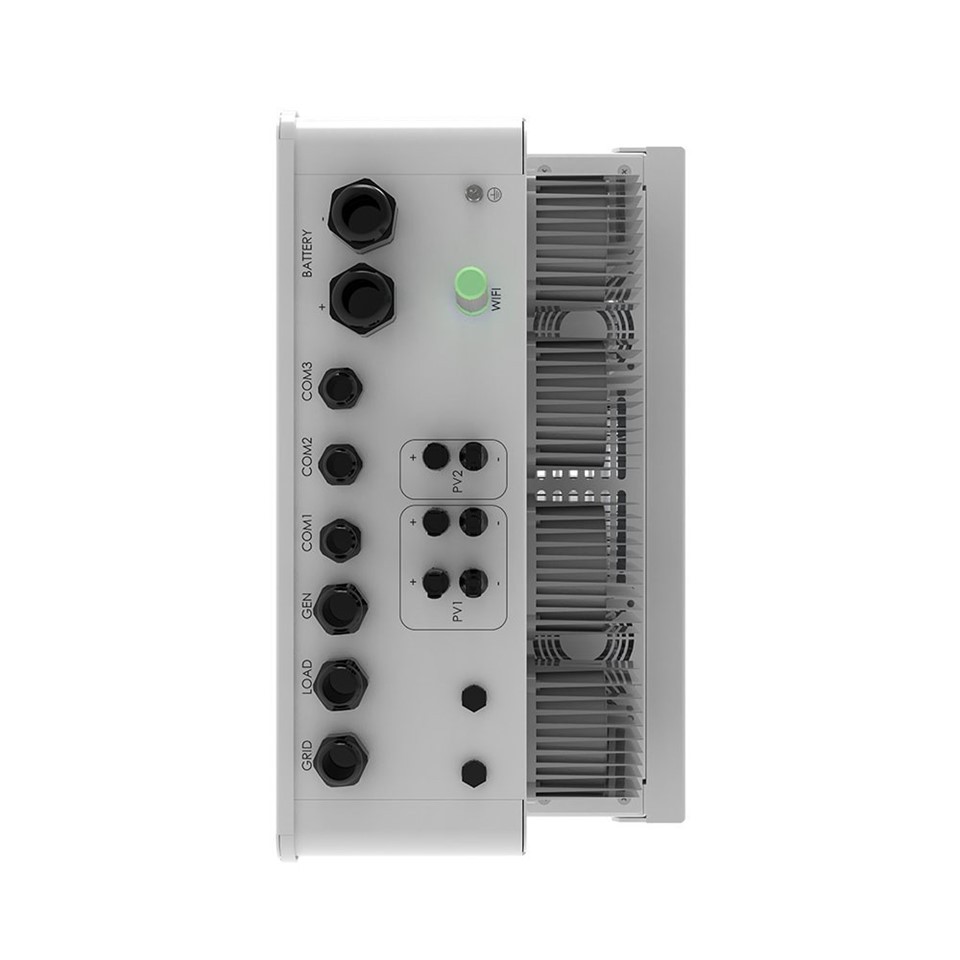
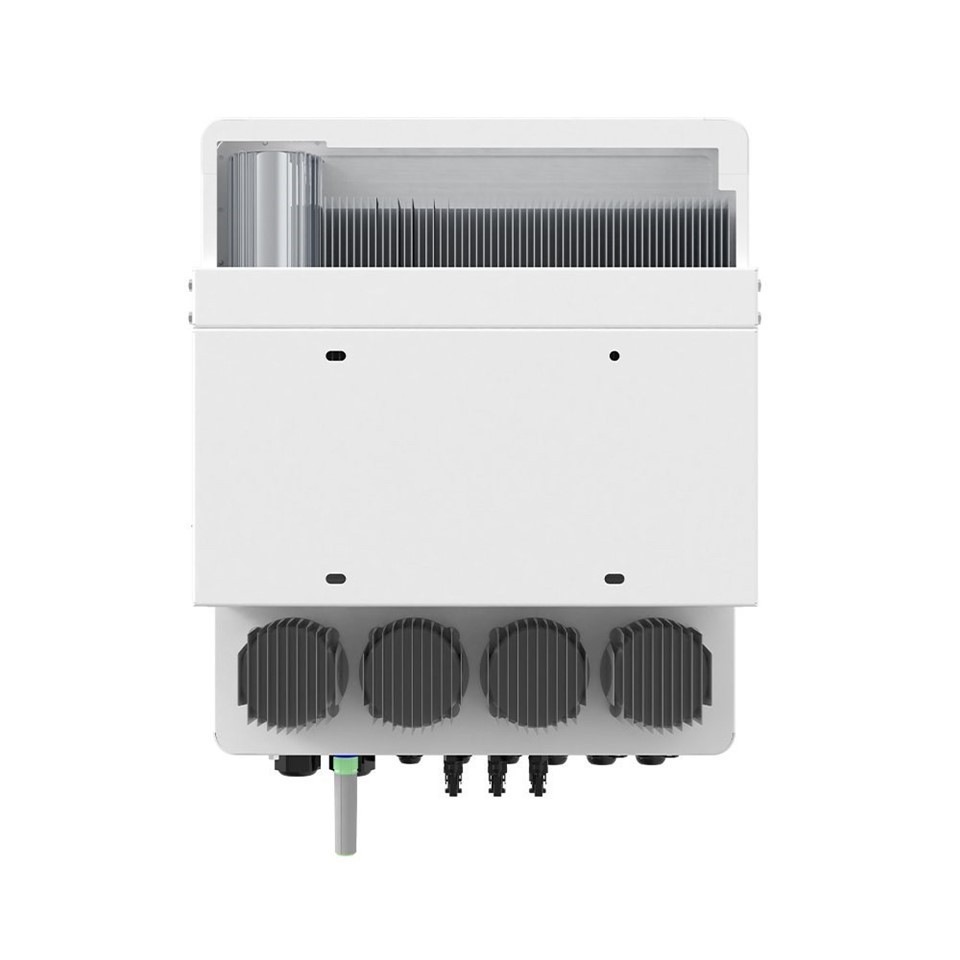
In a commercial setting, a factory might have a large - scale hybrid solar inverter system. The factory has a high electricity demand during the day for running machinery. If the solar panels are sized correctly and the battery storage is sufficient, the factory can use a significant amount of the solar energy it generates on - site. This not only saves money but also gives the factory a more stable and sustainable power supply.
If you're thinking about getting a hybrid solar inverter system, it's important to work with a professional to design a system that maximizes the self - consumption rate. They can take into account your specific electricity usage patterns, the amount of sunlight your location gets, and other factors to ensure that you get the most out of your solar investment.
We, as a hybrid solar inverter supplier, are here to help you with that. Our team of experts can analyze your needs and recommend the best hybrid solar inverter system for you. Whether you're a homeowner looking to save on your electricity bills or a business owner aiming for a more sustainable operation, we've got the products and knowledge to assist you.
If you're interested in learning more about our hybrid solar inverters or want to discuss how we can help you increase your self - consumption rate, don't hesitate to reach out. We're eager to have a chat with you and start the process of getting you a top - notch hybrid solar inverter system.
References:
- Various industry reports on solar energy and hybrid solar inverter systems
- Personal experience and knowledge as a hybrid solar inverter supplier