

Aging is an inevitable process that affects all types of batteries, including those used in Automated Guided Vehicles (AGVs). As an AGV battery supplier, I've witnessed firsthand how aging can significantly impact battery performance. In this blog, I'll delve into the various ways aging affects AGV battery performance, the underlying causes, and what can be done to mitigate these effects.
Capacity Degradation
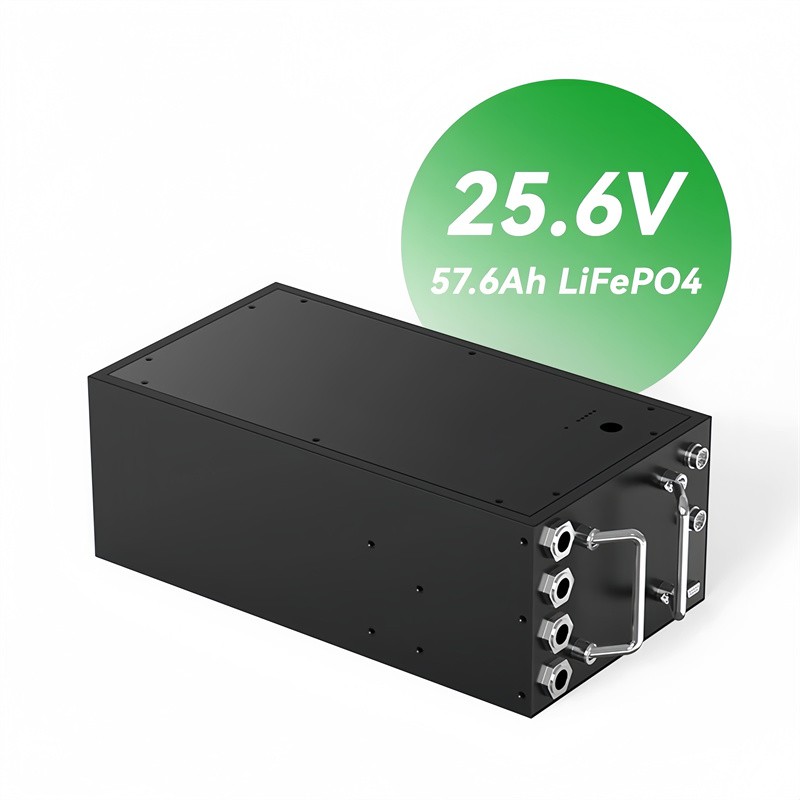
One of the most noticeable impacts of aging on an AGV battery is capacity degradation. Over time, the battery's ability to store and deliver electrical energy decreases. This means that an aged battery will not be able to power the AGV for as long as a new one. For example, a brand - new AGV LiFePO4 Battery Pack might be able to provide 8 hours of continuous operation for an AGV, but after several years of use, this runtime could drop to 5 or even 4 hours.
The main reason for capacity degradation is the chemical changes that occur within the battery cells. During charge - discharge cycles, the active materials in the electrodes gradually lose their ability to store lithium ions (in the case of lithium - based batteries like LiFePO4). Side reactions also take place, such as the formation of a solid - electrolyte interphase (SEI) layer on the anode. This layer can thicken over time, increasing internal resistance and reducing the efficiency of ion transfer, ultimately leading to a loss of capacity.
Increased Internal Resistance
Aging also leads to an increase in the internal resistance of the AGV battery. Internal resistance is a measure of how much the battery resists the flow of electrical current. As the battery ages, factors such as the degradation of the electrode materials, the drying out of the electrolyte, and the formation of dendrites (tiny metal filaments) can cause the internal resistance to rise.
An increase in internal resistance has several negative consequences. Firstly, it results in more energy being dissipated as heat during charging and discharging. This not only reduces the overall efficiency of the battery but also generates additional heat, which can further accelerate the aging process. Secondly, a higher internal resistance means that the battery will experience a greater voltage drop when delivering current. This can lead to a decrease in the power output of the battery, causing the AGV to operate less efficiently or even experience performance issues such as slower acceleration or reduced lifting capacity.
Voltage Instability
Voltage instability is another common problem associated with aging AGV batteries. As the battery ages, the voltage during charge and discharge cycles becomes less predictable. This can be due to the uneven degradation of individual cells within the battery pack. In a multi - cell battery pack, if one or more cells degrade faster than the others, it can cause an imbalance in the voltage distribution across the pack.
Voltage instability can have a significant impact on the AGV's electrical system. The AGV's control system relies on a stable voltage supply to operate correctly. Fluctuations in voltage can lead to malfunctions in the sensors, motors, and other electronic components. For example, sudden drops in voltage might cause the AGV to stop unexpectedly or experience glitches in its navigation system.
Thermal Management Challenges
Aging batteries pose greater challenges for thermal management. As mentioned earlier, increased internal resistance leads to more heat generation during operation. Additionally, the degradation of the battery's thermal properties over time can make it more difficult to dissipate this heat effectively.
Proper thermal management is crucial for the performance and lifespan of AGV batteries. High temperatures can accelerate the chemical reactions that cause aging, leading to further capacity degradation and internal resistance increase. In extreme cases, overheating can even pose a safety risk, such as the risk of thermal runaway, which can result in battery failure or even fire.

Mitigating the Effects of Aging
While aging is an inevitable process, there are several strategies that can be employed to mitigate its effects on AGV battery performance.
Proper Charging and Discharging Practices
Following proper charging and discharging protocols is essential. Overcharging and deep discharging can significantly accelerate the aging process. AGV operators should use chargers that are specifically designed for the battery type and ensure that the charging parameters are set correctly. For example, for LiFePO4 batteries, it's important to avoid charging at high currents or over - charging to voltages above the recommended level. Similarly, discharging the battery to very low levels should be avoided.
Regular Maintenance and Monitoring
Regular maintenance and monitoring of the battery pack can help detect early signs of aging and address potential issues before they become serious. This includes checking the battery's voltage, temperature, and capacity on a regular basis. Battery management systems (BMS) can be used to monitor the health of individual cells within the pack and ensure that they are operating within safe limits. If an imbalance is detected, the BMS can perform equalization procedures to balance the charge across the cells.
Battery Replacement and Upgrades
Knowing when to replace an aged battery is crucial. As the battery approaches the end of its useful life, the cost of maintaining its performance can become prohibitive. Replacing the battery with a new one, such as a AGV LiFePO4 Battery Pack, can restore the AGV's performance and efficiency. Additionally, upgrading to a newer battery technology or a higher - capacity battery can provide better performance and longer runtimes.
Conclusion
Aging has a profound impact on the performance of AGV batteries, including capacity degradation, increased internal resistance, voltage instability, and thermal management challenges. However, by understanding these effects and implementing appropriate mitigation strategies, AGV operators can extend the lifespan of their batteries and maintain optimal performance.
As an AGV battery supplier, I'm committed to providing high - quality batteries and expert advice on battery management. If you're facing issues with aging AGV batteries or are looking for a reliable battery solution for your AGV fleet, I encourage you to contact us for a detailed discussion. We can help you select the right battery for your specific requirements and provide guidance on how to maximize its performance and lifespan.
References
- Linden, D., & Reddy, T. B. (2002). Handbook of Batteries. McGraw - Hill.
- Tarascon, J. M., & Armand, M. (2001). Issues and challenges facing rechargeable lithium batteries. Nature, 414(6861), 359 - 367.
- Chen, Z., & Liu, H. (2017). A review of lithium - ion battery state of health estimation methods. Journal of Power Sources, 359, 1 - 12.