

Hey there! As a supplier of micro solar inverters, I often get asked about the input current rating of these nifty devices. So, let's dive right in and break it down.
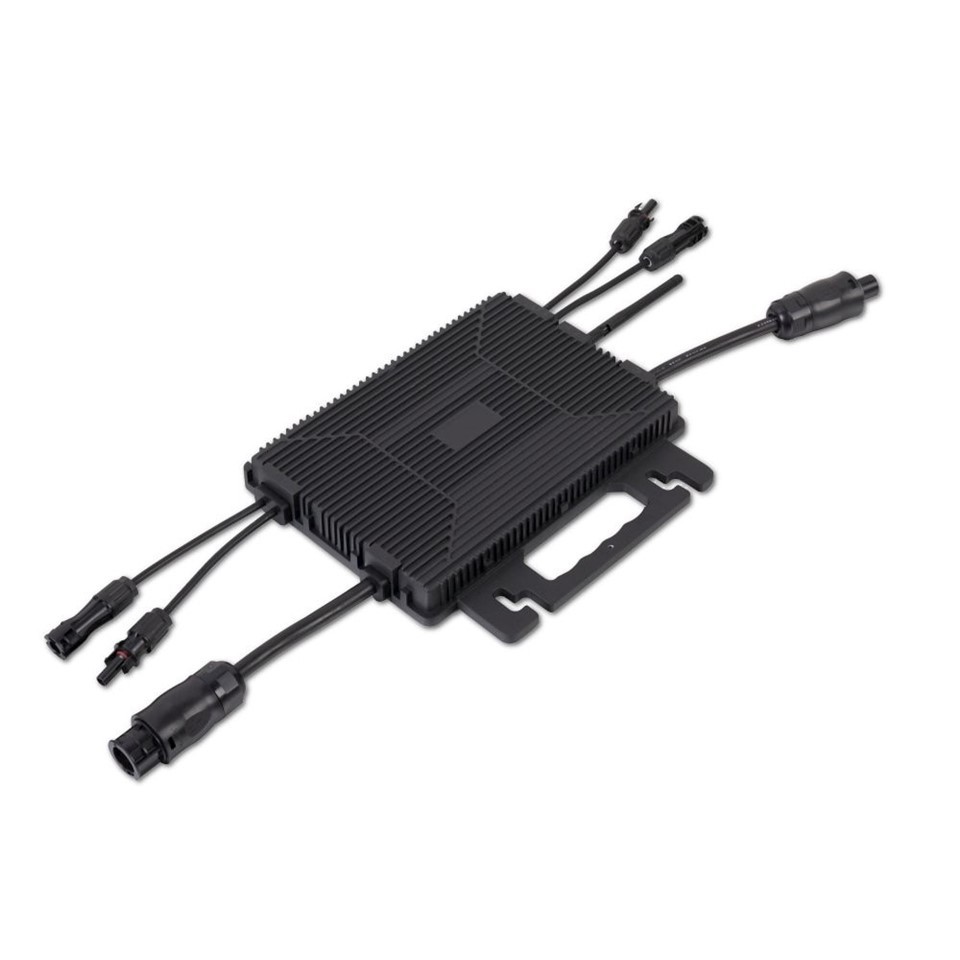
First off, what exactly is a micro solar inverter? Well, it's a small - scale inverter that's designed to convert the direct current (DC) generated by solar panels into alternating current (AC) that can be used in your home or fed back into the grid. Unlike traditional string inverters, micro inverters are installed on each individual solar panel, which offers a bunch of advantages like better performance in shaded conditions and more accurate monitoring.
Now, onto the main topic: the input current rating. The input current rating of a micro solar inverter is basically the maximum amount of direct current that the inverter can handle from the solar panel. It's a crucial specification because if the current from the solar panel exceeds the inverter's input current rating, it can cause problems like overheating, reduced efficiency, and even damage to the inverter.
Let's talk about how this rating is determined. Solar panels generate DC electricity based on the amount of sunlight they receive. The current output of a solar panel depends on factors such as the panel's size, efficiency, and the intensity of sunlight. For example, a larger solar panel or one with a higher efficiency will generally produce more current under the same sunlight conditions.
Micro solar inverter manufacturers set the input current rating based on the design and capabilities of their inverters. They have to consider things like the internal components of the inverter, such as the power semiconductors and the cooling system. If an inverter has high - quality components and a good cooling mechanism, it can usually handle a higher input current.
There are different input current ratings available for micro solar inverters on the market. For instance, we offer the 2000W MPPT Micro Solar Inverter and the 800W MPPT Micro Solar Inverter. These inverters have different input current ratings to suit various solar panel configurations.
The 2000W MPPT Micro Solar Inverter is a high - power option. It's designed for larger solar panel arrays or panels that produce a relatively high current. With its advanced Maximum Power Point Tracking (MPPT) technology, it can efficiently convert the DC power from the solar panels into AC power. The input current rating of this inverter is carefully selected to ensure that it can handle the current output from compatible solar panels without any issues.
On the other hand, the 800W MPPT Micro Solar Inverter is a more compact and cost - effective option. It's suitable for smaller solar panel setups or in situations where the solar panels have a lower current output. The input current rating of this inverter is optimized for these types of applications, providing reliable performance while keeping the cost down.

When choosing a micro solar inverter, it's important to match the input current rating of the inverter with the current output of your solar panels. You don't want to under - utilize the inverter by using solar panels that produce a much lower current than its rating. At the same time, you definitely don't want to overload the inverter by using panels that produce a current higher than its input current rating.
To determine the right input current rating for your needs, you should first look at the specifications of your solar panels. The solar panel datasheet will usually provide information about the panel's maximum current output under standard test conditions. You can then compare this value with the input current ratings of different micro solar inverters.
It's also a good idea to consider future expansion. If you plan to add more solar panels to your system in the future, you might want to choose an inverter with a slightly higher input current rating to accommodate the additional current.
Another factor to consider is the environmental conditions where the solar panels will be installed. In areas with high sunlight intensity, the solar panels may produce more current than in areas with less sunlight. So, if you're in a sunny region, you might need an inverter with a higher input current rating.
As a supplier, we understand that choosing the right micro solar inverter can be a bit confusing. That's why our team of experts is always here to help. We can assist you in selecting the inverter with the appropriate input current rating for your specific solar panel setup.
If you're interested in learning more about our micro solar inverters or have any questions about the input current rating, don't hesitate to reach out. Whether you're a homeowner looking to install a small solar system or a business owner planning a large - scale solar project, we have the products and knowledge to meet your needs. Let's start a conversation about how we can help you get the most out of your solar energy system. We're eager to work with you to find the perfect micro solar inverter solution for your situation.
References
- Solar Panel Datasheets: Manufacturer - provided documents that detail the electrical characteristics of solar panels.
- Micro Solar Inverter Product Manuals: Information provided by inverter manufacturers about the features and specifications of their products.