

Hey there, solar enthusiasts! As a supplier of micro solar inverters, I'm super stoked to share with you how these nifty devices can optimize power generation in your solar setups.
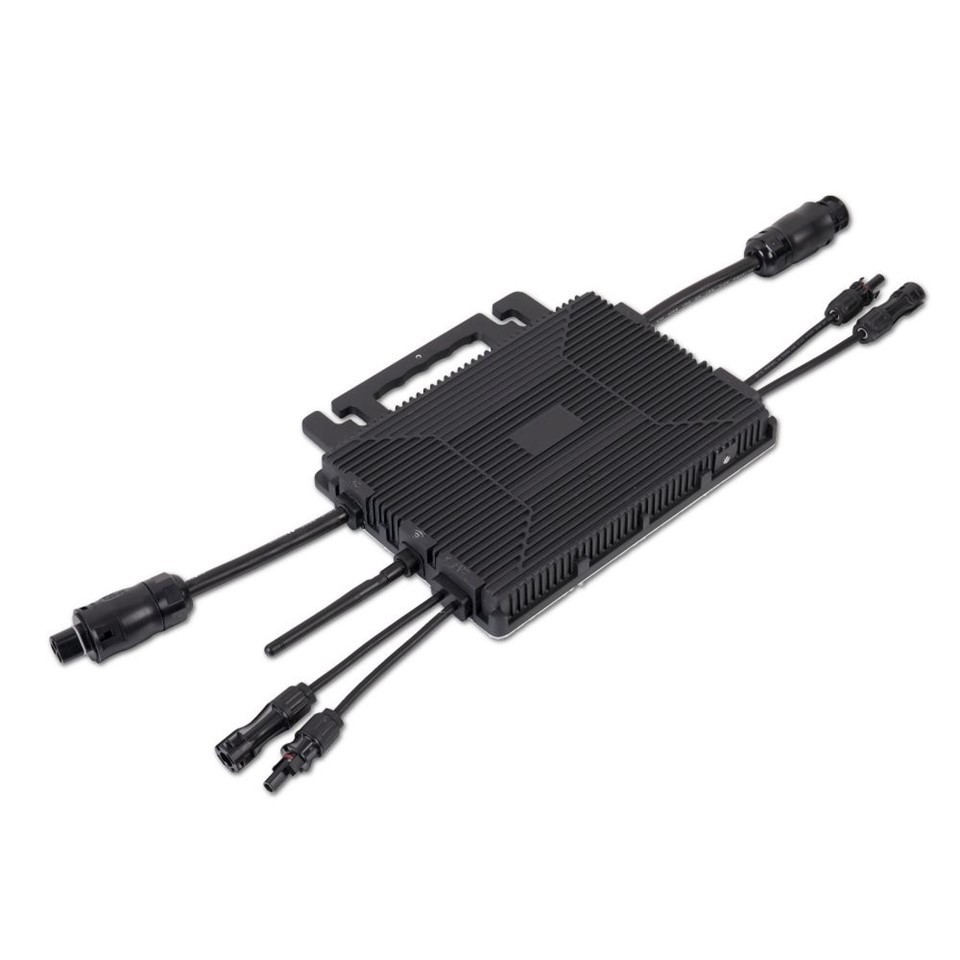
First off, let's get the basics down. A micro solar inverter is a small, individual inverter that's attached to each solar panel in a photovoltaic (PV) system. Unlike traditional string inverters that handle the power output of an entire string of panels, micro inverters work their magic on a panel - by - panel basis.
Maximizing Energy Harvest with MPPT Technology
One of the key ways micro solar inverters optimize power generation is through Maximum Power Point Tracking (MPPT) technology. You see, solar panels don't always operate at their peak efficiency. Factors like shading, dirt, and temperature can all throw a wrench in the works. But with MPPT, the micro inverter constantly adjusts the electrical operating point of the solar panel to ensure it's always producing the maximum amount of power possible.
Think of it like a smart little assistant for your solar panel. It's constantly checking the conditions and making tiny adjustments so that your panel can churn out as much electricity as it can. For example, if a cloud passes over and shades part of your panel, the micro inverter will quickly adapt to the new situation and still extract the most power from the unshaded parts.
We offer some great options with top - notch MPPT technology, like our 800W MPPT Micro Solar Inverter and 2000W MPPT Micro Solar Inverter. These inverters are designed to work seamlessly with your solar panels, squeezing out every last drop of energy.
Independence from Panel Mismatch
Another awesome thing about micro solar inverters is that they're not affected by panel mismatch. In a string inverter system, if one panel in a string isn't performing well (maybe it's a bit older or has some minor damage), it can drag down the performance of the entire string. That's because all the panels in a string are connected in series, and the current flowing through the string is limited by the weakest panel.
But with micro inverters, each panel operates independently. So, even if one panel is having a bad day, the other panels can still produce power at their full capacity. This means that your overall power generation is much more stable and efficient. It's like having a team of individual athletes instead of a relay team where one slow runner can ruin the whole race.
Safety and Monitoring
Micro solar inverters also bring a whole new level of safety and monitoring to your solar system. Since they operate at a lower voltage compared to string inverters, there's less risk of electrical shock during installation, maintenance, or in case of an emergency.
And when it comes to monitoring, micro inverters are a game - changer. You can easily keep track of the performance of each individual panel in your system. This allows you to quickly spot any issues, like a panel that's underperforming or has a fault. With our micro inverters, you can use a simple monitoring app on your smartphone or computer to see real - time data about your solar power generation. This way, you can take proactive steps to keep your system running smoothly and maximize your energy output.
Easy Installation and Scalability
Installing a micro solar inverter is a breeze. Unlike string inverters that require careful planning and wiring for an entire string of panels, micro inverters can be installed right at the panel level. This means less complex wiring and a quicker installation process. It's like building with Lego blocks - you can just attach the micro inverter to each panel and you're good to go.
And if you ever want to expand your solar system in the future, micro inverters make it super easy. You can simply add more panels with their own micro inverters without having to worry about re - configuring the entire system. This scalability is a huge advantage, especially if you're thinking about growing your solar energy setup over time.

Long - Term Cost Savings
While the upfront cost of micro solar inverters might be a bit higher than that of string inverters, they offer significant long - term cost savings. Thanks to their ability to optimize power generation, you'll be able to produce more electricity from your solar panels. This means more savings on your electricity bills over the life of your solar system.
Also, because micro inverters operate independently and are less prone to system - wide failures, the maintenance and replacement costs are generally lower. You won't have to replace an entire string inverter if one part fails. Instead, you can just replace the faulty micro inverter, which is much more cost - effective.
Real - World Impact
Let's take a look at some real - world examples of how micro solar inverters have made a difference. In a residential solar installation, a homeowner noticed a significant increase in power generation after switching from a string inverter to micro inverters. Even on days with partial shading, the system was still able to produce a substantial amount of electricity. This not only reduced their reliance on the grid but also saved them a good amount of money on their energy bills.
In a commercial solar project, the use of micro solar inverters allowed for a more flexible and efficient installation. The ability to monitor each panel individually helped the facility managers quickly identify and fix a problem with a few panels that were underperforming due to dirt buildup. This ensured that the system was always operating at its peak, maximizing the return on investment.
Conclusion
So, there you have it - micro solar inverters are an amazing technology that can really optimize power generation in your solar system. With features like MPPT technology, independence from panel mismatch, safety, easy installation, and long - term cost savings, they're a smart choice for both residential and commercial solar setups.
If you're interested in learning more about our micro solar inverters or are thinking about upgrading your current solar system, I'd love to chat. Whether you're a homeowner looking to go green or a business owner wanting to cut energy costs, we have the right solutions for you. Reach out to us, and let's start a conversation about how we can help you make the most of your solar energy potential.
References
- "Solar Photovoltaic Systems: Design and Installation" by John Wiles
- "Renewable Energy Technologies" by Michael A. Laughton
So, don't hesitate to get in touch and take the first step towards a more efficient and productive solar system!