

As a supplier of micro solar inverters, I've been frequently asked whether our products can be used in solar - powered RVs. In this blog, I'll delve into this question, exploring the feasibility, advantages, and considerations when using micro solar inverters in the context of RV solar power systems.
The Basics of Solar - Powered RVs
Solar - powered RVs are becoming increasingly popular among travelers. They offer the freedom to camp off - grid while still having access to electrical power. A typical solar power system for an RV consists of solar panels, a charge controller, batteries, and an inverter. The solar panels capture sunlight and convert it into direct current (DC) electricity. The charge controller regulates the charging of the batteries to prevent over - charging, and the inverter converts the DC power stored in the batteries into alternating current (AC) power, which can be used to run various appliances in the RV, such as lights, TVs, and refrigerators.
What Are Micro Solar Inverters?
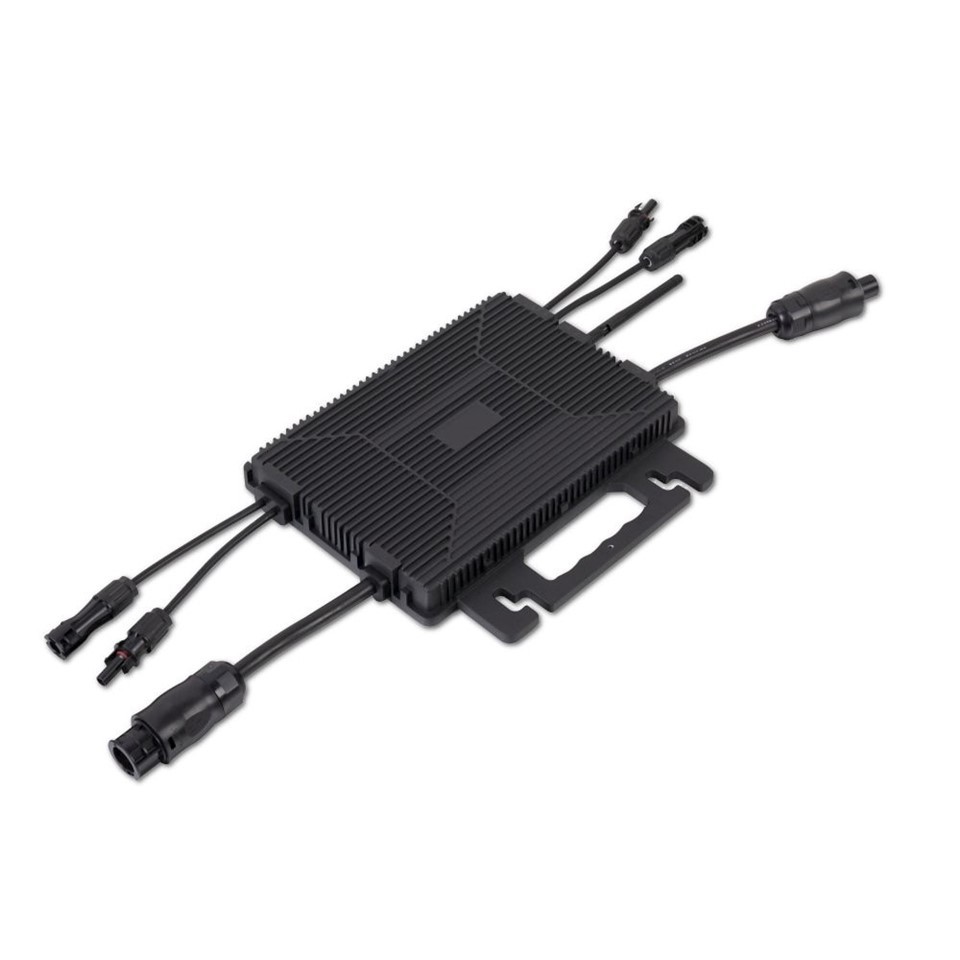
Micro solar inverters are small, individual inverters that are attached to each solar panel in a solar power system. Unlike traditional string inverters, which are connected to multiple solar panels in a series, micro inverters work independently for each panel. This means that each panel can operate at its maximum power point (MPP) regardless of the performance of other panels in the system.
Feasibility of Using Micro Solar Inverters in RVs
Compatibility with RV Solar Panels
Micro solar inverters are highly compatible with the solar panels commonly used in RVs. Most RV solar panels are designed to generate DC power, and micro inverters can efficiently convert this DC power into AC power. Whether you have monocrystalline or polycrystalline solar panels on your RV, micro inverters can be easily integrated into the system.
Adaptability to RV's Dynamic Environment
RVs are constantly on the move, and their solar panels are often exposed to different lighting conditions, including partial shading from trees, buildings, or the RV's own structure. Micro solar inverters excel in such dynamic environments. Since each panel has its own inverter, the performance of one panel is not affected by the shading or under - performance of others. For example, if one panel is shaded by a tree branch, the other panels can still operate at their optimal efficiency, maximizing the overall power output of the solar system.
Advantages of Using Micro Solar Inverters in RVs
Increased Energy Harvest
One of the most significant advantages of micro solar inverters is their ability to increase energy harvest. As mentioned earlier, each panel can operate at its MPP independently. This is particularly beneficial in an RV setting where panels may be subject to uneven sunlight exposure. According to a study by the National Renewable Energy Laboratory (NREL), micro inverters can increase the energy output of a solar system by up to 25% compared to string inverters in systems with partial shading.
Enhanced Safety
Micro solar inverters offer enhanced safety features. Since they operate at a lower DC voltage compared to string inverters, the risk of electrical shock is reduced. In an RV, where space is limited and there may be more opportunities for accidental contact with electrical components, this is a crucial advantage.

Easier Installation and Maintenance
Installing micro solar inverters on an RV is relatively straightforward. They can be directly attached to the back of each solar panel, eliminating the need for complex wiring and configuration. In terms of maintenance, if a micro inverter fails, it can be easily replaced without affecting the operation of the entire solar system. This is much more convenient than dealing with a string inverter failure, which may require shutting down the entire system for repair.
Considerations When Using Micro Solar Inverters in RVs
Cost
Micro solar inverters generally have a higher upfront cost compared to string inverters. However, when considering the long - term benefits, such as increased energy harvest and easier maintenance, the cost may be justified. As a micro solar inverter supplier, we offer a range of products at different price points to meet the diverse needs of RV owners. For example, our 2000W MPPT Micro Solar Inverter provides high - power output for larger RVs, while our 800W MPPT Micro Solar Inverter is a more cost - effective option for smaller RVs.
Power Requirements
It's important to carefully assess the power requirements of your RV when choosing micro solar inverters. Consider the types and number of appliances you plan to run on solar power, as well as your daily energy consumption. Make sure to select micro inverters with sufficient power capacity to meet your needs.
Space and Weight
Although micro solar inverters are relatively small, they still add some weight and take up space on the solar panels. In an RV, where space and weight are at a premium, this needs to be taken into account. However, the benefits they offer in terms of energy harvest and performance often outweigh these minor drawbacks.
Making the Decision
When deciding whether to use micro solar inverters in your solar - powered RV, it's essential to weigh the pros and cons based on your specific needs and circumstances. If you value increased energy output, enhanced safety, and easier installation and maintenance, micro solar inverters are an excellent choice.
As a micro solar inverter supplier, we are committed to providing high - quality products and professional advice to help you make the best decision for your RV solar power system. If you have any questions or are interested in purchasing our micro solar inverters, please feel free to contact us for a detailed discussion on your requirements and how our products can meet them.
References
National Renewable Energy Laboratory (NREL). (Year). "Performance Comparison of Micro - Inverters and String Inverters in PV Systems." Retrieved from [NREL official website].
Solar Energy Industries Association (SEIA). (Year). "Solar Power for Recreational Vehicles: A Guide." Retrieved from [SEIA official website].