

As a supplier of AGV batteries, I've encountered numerous inquiries regarding the explosion risk associated with these power sources. This concern is entirely valid, considering the critical role AGV batteries play in automated guided vehicles and the potential hazards that an explosion could pose. In this blog, I'll delve into the factors contributing to the explosion risk of AGV batteries, the safety measures we implement, and how you can make informed decisions when choosing an AGV battery for your operations.

Understanding AGV Batteries
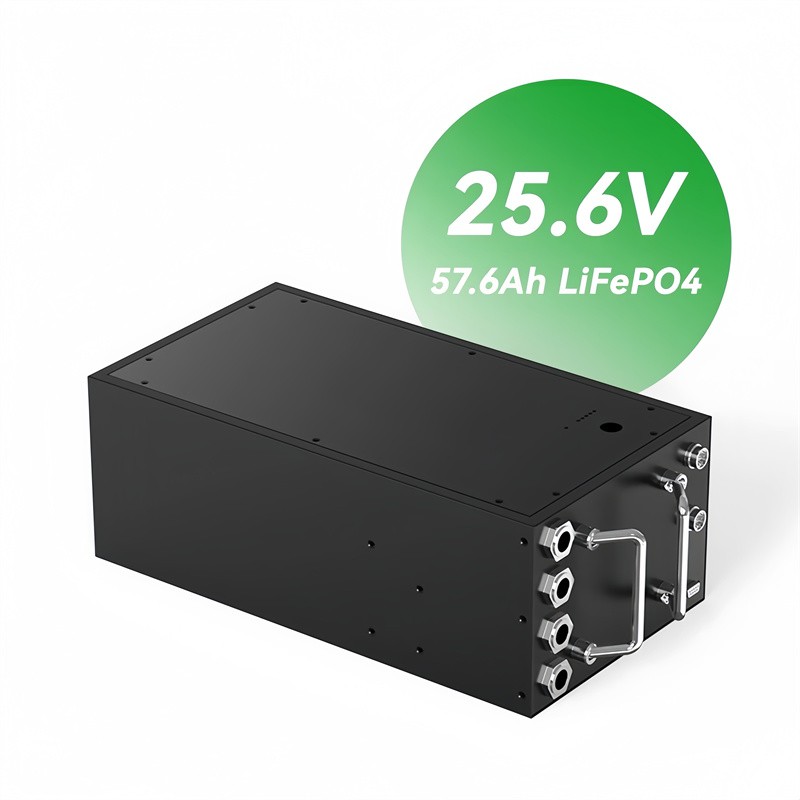
Before we discuss the explosion risk, it's essential to understand the types of batteries commonly used in AGVs. The most prevalent type is the lithium iron phosphate (LiFePO4) battery, known for its high energy density, long cycle life, and excellent thermal stability. Our AGV LiFePO4 Battery Pack is a prime example of this technology, offering reliable power for AGVs in various industrial applications.
Factors Contributing to Explosion Risk
Several factors can contribute to the explosion risk of AGV batteries. Understanding these factors is crucial for implementing effective safety measures and minimizing the likelihood of an explosion.
Overcharging
Overcharging occurs when a battery is charged beyond its recommended voltage limit. This can cause the battery to overheat, leading to the breakdown of the electrolyte and the release of flammable gases. In extreme cases, overcharging can cause the battery to catch fire or explode. To prevent overcharging, our AGV LiFePO4 Battery Packs are equipped with advanced battery management systems (BMS) that monitor the charging process and automatically cut off the power when the battery reaches its full charge.
Overheating
Overheating is another significant factor that can increase the explosion risk of AGV batteries. High temperatures can cause the battery to degrade faster, reduce its performance, and increase the likelihood of thermal runaway. Thermal runaway is a self-sustaining reaction that can cause the battery to overheat rapidly and eventually explode. To prevent overheating, our AGV batteries are designed with efficient cooling systems that dissipate heat effectively and maintain the battery at a safe operating temperature.
Physical Damage
Physical damage to the battery can also pose a significant explosion risk. If the battery casing is cracked or punctured, the electrolyte can leak out and come into contact with oxygen, causing a chemical reaction that can lead to a fire or explosion. To minimize the risk of physical damage, our AGV batteries are built with robust casings that provide excellent protection against impact and vibration. Additionally, we recommend regular inspections of the batteries to detect any signs of damage early and take appropriate action.
Manufacturing Defects
Although rare, manufacturing defects can also contribute to the explosion risk of AGV batteries. Defects in the battery cells, electrodes, or electrolyte can cause the battery to malfunction and increase the likelihood of an explosion. To ensure the quality and safety of our AGV batteries, we implement strict quality control measures throughout the manufacturing process. Our batteries are tested rigorously at every stage to ensure that they meet the highest standards of safety and performance.
Safety Measures We Implement
At our company, we take the safety of our customers' AGV batteries very seriously. We understand that an explosion can have severe consequences for your operations, including downtime, property damage, and potential harm to your employees. That's why we implement a comprehensive range of safety measures to minimize the explosion risk of our AGV batteries.
Advanced Battery Management Systems (BMS)
As mentioned earlier, our AGV LiFePO4 Battery Packs are equipped with advanced BMS that monitor the battery's voltage, temperature, and state of charge. The BMS also controls the charging and discharging process to ensure that the battery operates within safe limits. In the event of an abnormal condition, such as overcharging or overheating, the BMS will automatically cut off the power to the battery to prevent further damage.
Efficient Cooling Systems
To prevent overheating, our AGV batteries are designed with efficient cooling systems that dissipate heat effectively. The cooling systems use a combination of passive and active cooling techniques to maintain the battery at a safe operating temperature. Passive cooling techniques, such as heat sinks and thermal pads, transfer heat away from the battery, while active cooling techniques, such as fans and liquid cooling systems, provide additional cooling when needed.
Robust Battery Casings
Our AGV batteries are built with robust casings that provide excellent protection against impact and vibration. The casings are made of high-strength materials that can withstand the rigors of industrial environments. Additionally, the casings are designed to prevent the leakage of electrolyte in the event of a puncture or crack, reducing the risk of a fire or explosion.
Quality Control and Testing
We implement strict quality control measures throughout the manufacturing process to ensure the quality and safety of our AGV batteries. Our batteries are tested rigorously at every stage, from the raw materials to the finished product. We use advanced testing equipment and techniques to detect any potential defects or issues early and take appropriate action to correct them. Additionally, we conduct regular audits of our manufacturing facilities to ensure that they comply with the highest standards of quality and safety.
Making Informed Decisions
When choosing an AGV battery for your operations, it's essential to make informed decisions based on your specific requirements and safety concerns. Here are some factors to consider:
Battery Type
As mentioned earlier, lithium iron phosphate (LiFePO4) batteries are the most commonly used type of batteries in AGVs due to their high energy density, long cycle life, and excellent thermal stability. However, other types of batteries, such as lead-acid batteries and nickel-metal hydride (NiMH) batteries, may also be suitable for certain applications. It's important to choose the battery type that best meets your specific requirements and safety concerns.
Safety Features
When evaluating AGV batteries, it's crucial to consider the safety features they offer. Look for batteries that are equipped with advanced BMS, efficient cooling systems, and robust casings. Additionally, make sure the batteries have been tested and certified by independent third-party organizations to ensure that they meet the highest standards of safety and performance.
Manufacturer Reputation
The reputation of the battery manufacturer is also an important factor to consider. Choose a manufacturer with a proven track record of producing high-quality, reliable, and safe AGV batteries. Look for manufacturers that have a strong commitment to research and development, quality control, and customer support.
Cost
Cost is always a consideration when choosing an AGV battery. However, it's important to remember that the cheapest option may not always be the best. When evaluating the cost of an AGV battery, consider the total cost of ownership, including the purchase price, maintenance costs, and replacement costs. Additionally, make sure to compare the features and performance of different batteries to ensure that you're getting the best value for your money.
Conclusion
In conclusion, the explosion risk of AGV batteries is a significant concern for many industrial operators. However, by understanding the factors contributing to the explosion risk, implementing effective safety measures, and making informed decisions when choosing an AGV battery, you can minimize the risk and ensure the safe and reliable operation of your AGVs. At our company, we're committed to providing our customers with high-quality, reliable, and safe AGV batteries that meet the highest standards of performance and safety. If you have any questions or would like to learn more about our AGV LiFePO4 Battery Packs, please don't hesitate to contact us. We'd be happy to help you choose the right battery for your operations and provide you with the support and guidance you need to ensure its safe and reliable use.
References
- "Lithium-Ion Battery Safety: A Review." Journal of Power Sources, vol. 339, 2017, pp. 569-592.
- "Battery Management Systems for Electric and Hybrid Electric Vehicles." Springer, 2016.
- "Thermal Management of Lithium-Ion Batteries for Electric and Hybrid Electric Vehicles." Elsevier, 2015.