

Hey there, folks! As an AGV battery supplier, I often get asked about the differences between various AGV battery chemistries. It's a topic that can be a bit confusing, but I'm here to break it down for you in a simple and easy-to-understand way.
Let's start with the basics. AGVs, or Automated Guided Vehicles, rely on batteries to power their operations. And the type of battery chemistry you choose can have a big impact on the performance, cost, and lifespan of your AGV.
One of the most common battery chemistries used in AGVs is lead-acid. Lead-acid batteries have been around for a long time and are known for their reliability and relatively low cost. They come in two main types: flooded and sealed. Flooded lead-acid batteries are the traditional type that requires regular maintenance, such as adding water to the cells. Sealed lead-acid batteries, on the other hand, are maintenance-free and are often used in applications where space is limited or where you don't want to deal with the hassle of maintenance.
However, lead-acid batteries also have some drawbacks. They are heavy, which can reduce the overall efficiency of the AGV. They also have a relatively short lifespan compared to other battery chemistries, especially if they are not properly maintained. And, they have a lower energy density, which means they can't store as much energy per unit of weight or volume.
Another popular battery chemistry for AGVs is lithium-ion. Lithium-ion batteries are known for their high energy density, which means they can store more energy in a smaller and lighter package. This makes them a great choice for AGVs, as it allows them to travel longer distances and carry heavier loads. Lithium-ion batteries also have a longer lifespan compared to lead-acid batteries, which can save you money in the long run.
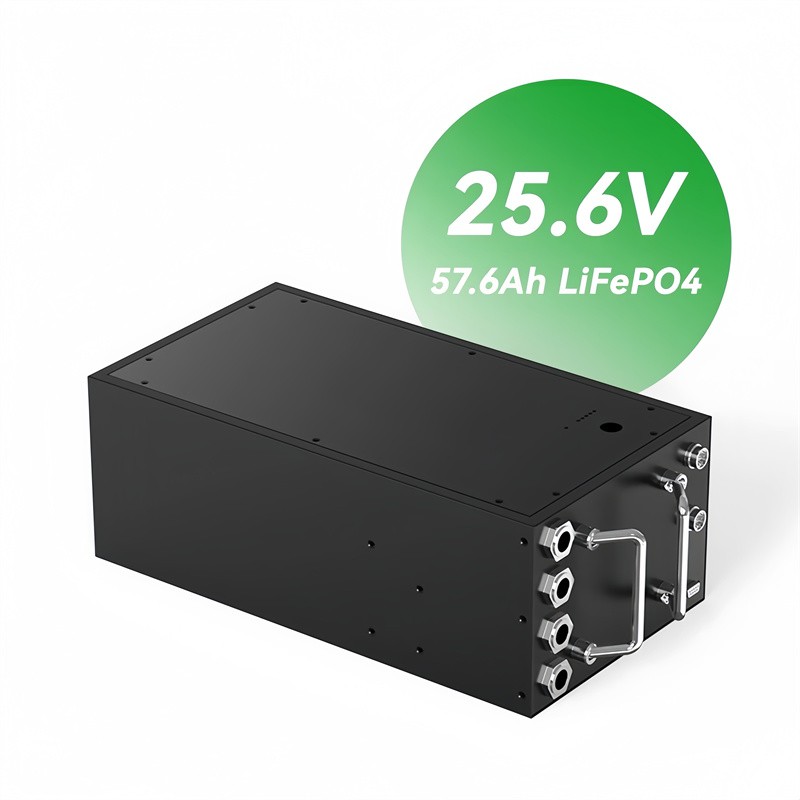
There are several different types of lithium-ion batteries, but one of the most common types used in AGVs is lithium iron phosphate (LiFePO4). AGV LiFePO4 Battery Pack offers several advantages over other lithium-ion chemistries. For one, it is more stable and less prone to thermal runaway, which is a major safety concern with some other lithium-ion batteries. LiFePO4 batteries also have a higher charge and discharge rate, which means they can be charged and discharged more quickly. This is important for AGVs, as it allows them to spend less time charging and more time on the job.
However, lithium-ion batteries also have some disadvantages. They are more expensive than lead-acid batteries, which can be a barrier for some users. They also require a more complex charging system, which can add to the cost and complexity of the AGV. And, like all lithium-ion batteries, they can be damaged if they are not charged or discharged properly.
Another battery chemistry that is starting to gain popularity in the AGV market is nickel-metal hydride (NiMH). NiMH batteries offer a good balance between cost, performance, and lifespan. They have a higher energy density than lead-acid batteries, but not as high as lithium-ion batteries. They are also more environmentally friendly than lead-acid batteries, as they do not contain any heavy metals.
However, NiMH batteries also have some limitations. They have a relatively high self-discharge rate, which means they can lose their charge over time even when they are not in use. They also have a lower charge and discharge rate compared to lithium-ion batteries, which can limit their performance in high-power applications.
So, which battery chemistry is the best for your AGV? Well, it depends on your specific needs and requirements. If you are looking for a low-cost, reliable battery that requires minimal maintenance, then lead-acid batteries may be the right choice for you. If you need a battery with a high energy density, long lifespan, and fast charging and discharging capabilities, then lithium-ion batteries, especially LiFePO4 batteries, may be the better option. And if you are looking for a more environmentally friendly battery that offers a good balance between cost and performance, then NiMH batteries may be worth considering.
As an AGV battery supplier, I can help you choose the right battery chemistry for your application. I can also provide you with high-quality batteries and expert advice on how to properly maintain and use them. If you have any questions or would like to learn more about our AGV battery products, please don't hesitate to contact us. We're here to help you find the best battery solution for your AGV needs.
In conclusion, understanding the differences between different AGV battery chemistries is essential for making an informed decision when choosing a battery for your AGV. Each battery chemistry has its own advantages and disadvantages, and the right choice depends on your specific needs and requirements. Whether you choose lead-acid, lithium-ion, or NiMH batteries, make sure you work with a reputable supplier who can provide you with high-quality products and expert support.

References
- Battery University: A comprehensive resource for battery information and technology.
- IEEE Transactions on Industrial Electronics: A leading journal in the field of industrial electronics, which often publishes research on battery technologies.
- AGV Industry Association: A professional organization that provides information and resources on AGV technology and applications.