

Can an off grid solar inverter be used in an industrial setting?
As an off grid solar inverter supplier, I've been asked numerous times about the feasibility of using off grid solar inverters in industrial settings. This is a crucial question, considering the unique requirements and scale of industrial operations. In this blog, I'll explore the potential of off grid solar inverters in industrial environments, weighing the advantages, challenges, and practical considerations.
Advantages of Using Off Grid Solar Inverters in Industrial Settings
Energy Independence
One of the most significant benefits of off grid solar inverters in industrial settings is the ability to achieve energy independence. Industries often consume large amounts of electricity, and relying solely on the grid can be costly and unreliable, especially in areas with frequent power outages. By installing an off grid solar system with an appropriate inverter, industries can generate their own electricity from solar energy, reducing their dependence on the grid and ensuring a continuous power supply.
For instance, a manufacturing plant located in a remote area may face challenges such as high transmission costs and inconsistent grid power. An off grid solar inverter can help the plant to produce its electricity on - site, powering machinery, lighting, and other equipment. This not only cuts down on electricity bills but also provides greater control over energy production.
Cost Savings in the Long Run
Although the initial investment for an off grid solar system, including the inverter, can be substantial, it offers significant cost savings in the long term. Solar energy is a free and renewable resource, and once the system is installed, the operational costs are relatively low. Over time, the savings on electricity bills can offset the initial installation costs. Additionally, some regions offer incentives such as tax credits and subsidies for industrial solar installations, which can further reduce the financial burden.
For example, an industrial facility that uses a large amount of power for its daily operations can see a significant reduction in its energy expenses after installing an off grid solar system. The Off Grid 3 Phase Solar Inverter is particularly suitable for industrial applications as it can handle three - phase power requirements typically found in larger industrial equipment.
Environmental Benefits
Industrial activities are major contributors to greenhouse gas emissions. By switching to off grid solar power, industries can significantly reduce their carbon footprint. Using solar energy instead of fossil - fuel - based electricity helps in the fight against climate change and promotes a more sustainable future. Consumers and investors are increasingly conscious of environmental issues, and industries that adopt renewable energy solutions are likely to enhance their public image and gain a competitive edge.
Challenges of Using Off Grid Solar Inverters in Industrial Settings
High Initial Investment
As mentioned earlier, the upfront cost of an off grid solar system is a major hurdle for many industrial businesses. The cost includes not only the inverter but also solar panels, batteries for energy storage, and installation. For small and medium - sized enterprises (SMEs), this can be a significant financial burden that may deter them from adopting the technology.
However, it's important to note that the cost of solar technology has been decreasing steadily over the years. Moreover, there are financing options available, such as loans and power purchase agreements (PPAs), that can help businesses to manage the initial investment.
Energy Storage Requirements
In an industrial setting, continuous power supply is crucial. Since solar energy is intermittent, relying solely on solar power without proper energy storage can lead to production disruptions. Batteries are required to store excess energy generated during the day for use during the night or on cloudy days.
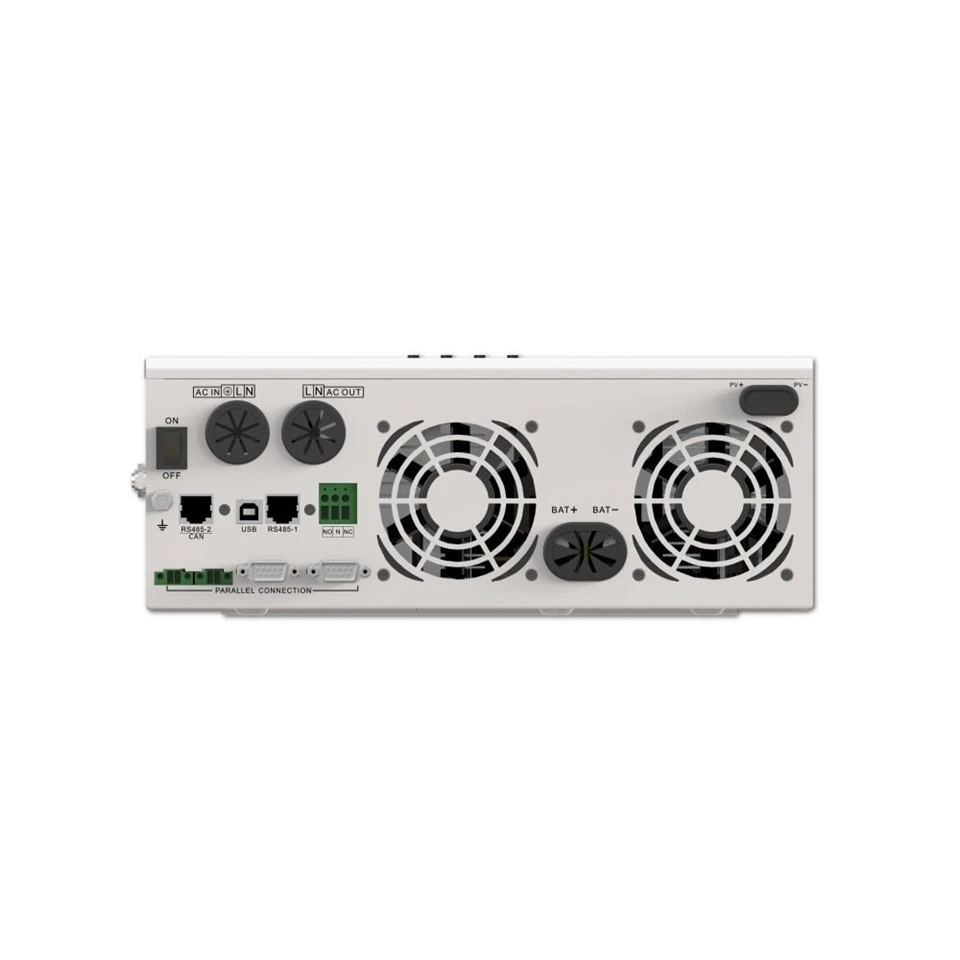

The size and capacity of the batteries depend on the industrial power consumption and the desired level of backup. Larger industries may require a significant amount of battery storage, which can be expensive and take up a lot of space. For example, a large - scale manufacturing plant using a 15kw Off Grid Solar Inverter may need a substantial battery bank to ensure uninterrupted power supply.
Technical Complexity
Industrial electrical systems are complex, with different types of equipment having varying power requirements. Integrating an off grid solar inverter into an existing industrial electrical infrastructure requires expertise. Incorrect installation or improper sizing of the inverter can lead to inefficiencies, equipment damage, and safety hazards.
Industrial facilities need to work with experienced solar installers and electrical engineers to ensure that the off grid solar system is designed and installed correctly. This includes proper sizing of the inverter, solar panels, and batteries, as well as ensuring compatibility with the existing electrical system.
Practical Considerations for Using Off Grid Solar Inverters in Industrial Settings
Load Analysis
Before installing an off grid solar system, a detailed load analysis of the industrial facility is essential. This involves determining the total power consumption, peak power requirements, and the types of loads. For example, some industrial equipment may require a stable and high - quality power supply, and the inverter should be able to meet these specific requirements. A Solar Inverter Off Grid 3000w may be suitable for smaller industrial loads or as a supplementary power source, while larger industrial complexes may need higher - capacity inverters.
Location and Solar Resource
The geographical location of the industrial facility plays a crucial role in the performance of an off grid solar system. Areas with more sunlight hours and higher solar irradiance are more suitable for solar power generation. A site assessment should be conducted to determine the optimal orientation and tilt of the solar panels for maximum energy capture. Additionally, shading from nearby buildings, trees, or other structures should be minimized to ensure the efficiency of the solar panels.
Maintenance and Monitoring
Regular maintenance of the off grid solar system, including the inverter, is necessary to ensure its long - term performance. Industrial facilities should establish a maintenance schedule for cleaning the solar panels, checking the battery health, and inspecting the inverter for any signs of wear or malfunction.
Monitoring systems can be installed to track the performance of the solar system in real - time. This allows for early detection of any issues and helps in optimizing the system's operation.
Conclusion
In conclusion, off grid solar inverters can indeed be used in industrial settings, offering numerous advantages such as energy independence, cost savings, and environmental benefits. However, businesses need to be aware of the challenges, including high initial investment, energy storage requirements, and technical complexity. By conducting a thorough load analysis, considering the location and solar resource, and implementing proper maintenance and monitoring, industrial facilities can successfully integrate off grid solar inverters into their operations.
If you're an industrial business looking to explore the potential of off grid solar inverters, I invite you to reach out to us. Our team of experts can provide customized solutions based on your specific requirements and help you make the transition to a more sustainable and energy - efficient future. Contact us to start a discussion about your potential purchase and find the best off grid solar inverter for your industrial needs.
References
- "Solar Power for Industrial Applications." Renewable Energy World.
- "Off - Grid Solar Systems: Design and Installation Guide." Solar Energy International.
- "The Economic and Environmental Impact of Industrial Solar Adoption." Journal of Industrial and Environmental Economics.