

Hey there, folks! As a supplier of forklift batteries, I've seen firsthand the importance of choosing the right battery for your forklift. In this blog post, I'm gonna break down the different types of forklift batteries available on the market, so you can make an informed decision for your business.
Lead - Acid Batteries
Let's start with the old - school option: lead - acid batteries. These have been around for ages and are still widely used in the forklift industry.
Flooded Lead - Acid Batteries
Flooded lead - acid batteries are the most common type. They're made up of lead plates submerged in an electrolyte solution of sulfuric acid and water. One of the big advantages of these batteries is their relatively low cost. They're also pretty durable and can handle heavy - duty use.
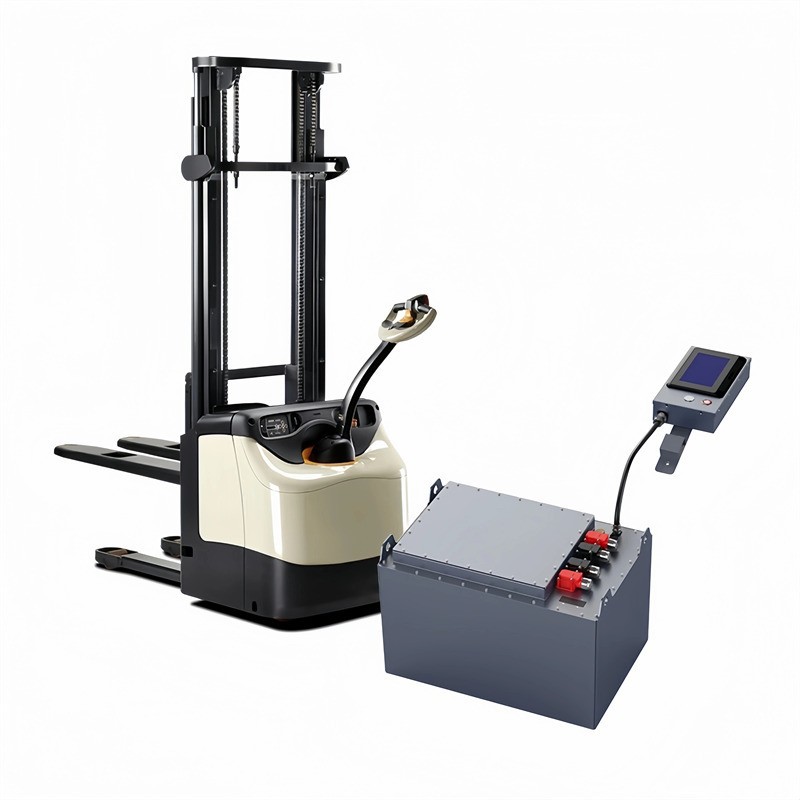
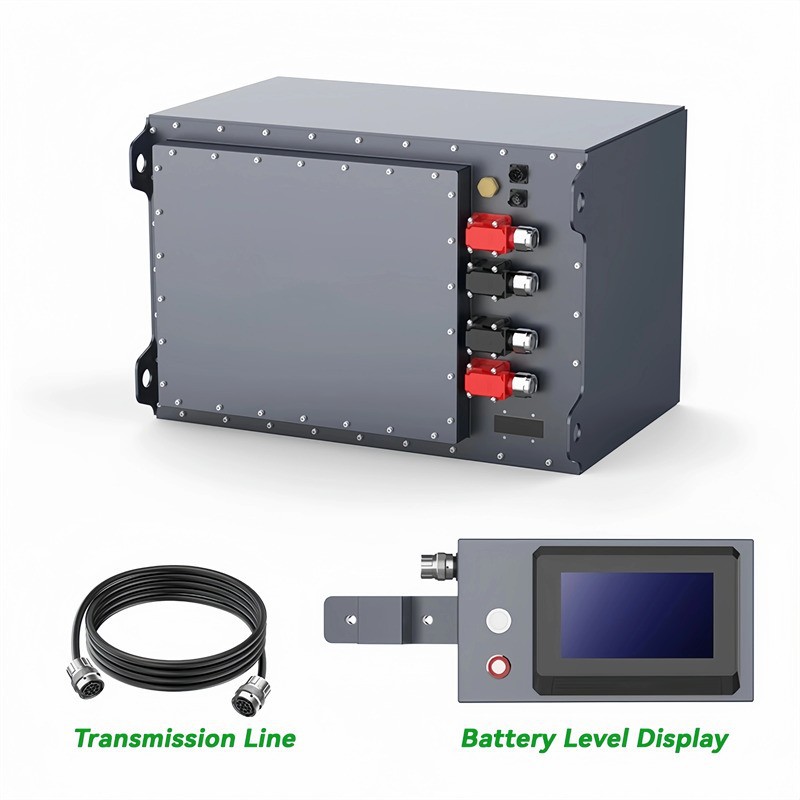
However, they do have some drawbacks. You've gotta maintain them regularly. That means checking the water levels in the cells and adding distilled water when needed. If you don't do this, the plates can get damaged, and the battery's lifespan will be cut short. Also, they produce hydrogen gas during charging, so you need a well - ventilated area to charge them safely.
Valve - Regulated Lead - Acid (VRLA) Batteries
VRLA batteries are a bit of an upgrade from flooded lead - acid ones. There are two main types: Absorbent Glass Mat (AGM) and Gel batteries.
AGM batteries use a fiberglass mat to hold the electrolyte. This design makes them spill - proof, so you don't have to worry about acid leaks. They also charge faster than flooded lead - acid batteries and require less maintenance.
Gel batteries, on the other hand, use a gel - like electrolyte. They're very resistant to vibration and can operate in a wider range of temperatures. But they're more expensive than AGM and flooded lead - acid batteries.
Lithium - Ion Batteries
Now, let's talk about the new kid on the block: lithium - ion batteries. In particular, Lithium Iron Phosphate (LiFePO4) batteries are becoming increasingly popular in the forklift world.
Advantages of LiFePO4 Batteries
LiFePO4 batteries have a bunch of benefits. First off, they have a much longer lifespan compared to lead - acid batteries. You can expect them to last up to three times longer, which means fewer battery replacements over time.
They also charge much faster. You can get a full charge in just a couple of hours, while lead - acid batteries might take 8 - 10 hours. This is a huge advantage if you need your forklifts to be up and running all day.
Another great thing is that they have a high energy density. That means they can store more energy in a smaller and lighter package. This can improve the overall efficiency of your forklift and reduce its operating costs.
Our LiFePO4 Forklift Battery Options
We offer a range of LiFePO4 forklift batteries to suit different needs. For example, our 36V 690Ah LiFePO4 Forklift Battery is a great choice for medium - sized forklifts. It provides a good balance of power and capacity.
If you need a higher voltage battery, our 80V LiFePO4 Forklift Battery is available. It's designed for larger forklifts that require more power to operate.
And for smaller forklifts or applications where space is limited, our 24V LiFePO4 Forklift Battery is a compact yet powerful option.
Nickel - Cadmium (Ni - Cd) Batteries
Ni - Cd batteries were once quite popular in the forklift industry. They're known for their high power output and ability to withstand extreme temperatures. They can also be charged and discharged quickly without much damage to the battery.
But they have some significant downsides. Cadmium is a toxic heavy metal, so disposing of these batteries is a big environmental concern. Also, they're more expensive than lead - acid batteries and have a "memory effect." This means that if you don't fully discharge them before recharging, their capacity will gradually decrease over time.
Choosing the Right Battery for Your Forklift
So, how do you decide which battery is right for your forklift? Well, it depends on a few factors.
Usage Requirements
If your forklifts are used for short periods throughout the day and have long breaks in between, a lead - acid battery might be sufficient. But if you need continuous operation and fast charging, a lithium - ion battery is probably a better choice.
Budget
Lead - acid batteries are generally cheaper upfront, but you have to factor in the cost of maintenance and replacement over time. Lithium - ion batteries are more expensive at first, but their longer lifespan and lower operating costs can make them a more cost - effective option in the long run.
Environmental Considerations
If you're concerned about the environment, lithium - ion batteries are a greener choice compared to lead - acid and Ni - Cd batteries. They don't contain toxic materials like lead or cadmium, and they're more energy - efficient.
Why Choose Us as Your Forklift Battery Supplier
As a forklift battery supplier, we're committed to providing high - quality batteries at competitive prices. We have a team of experts who can help you choose the right battery for your specific needs. Whether you need a lead - acid battery for a traditional forklift or a LiFePO4 battery for a modern, high - performance machine, we've got you covered.
We also offer excellent after - sales service. If you have any questions or issues with your battery, our support team is just a call away. We'll work with you to ensure that your forklifts are always running smoothly.
If you're in the market for a new forklift battery, I encourage you to get in touch with us. We can have a detailed discussion about your requirements and provide you with a customized solution. Don't hesitate to reach out and start the conversation about how we can help power your forklifts more efficiently.
References
- "Industrial Forklift Batteries: A Comprehensive Guide" - Industry Research Report
- "The Future of Forklift Power: Lithium - Ion Batteries" - Journal of Material Handling Equipment
- "Battery Technology and Its Impact on Forklift Performance" - International Journal of Logistics and Warehousing