

Hey there! As a supplier of forklift batteries, I often get asked about the energy efficiency of these power sources. So, I thought I'd take a deep dive into this topic and share some insights with you.
First off, let's understand what energy efficiency means in the context of forklift batteries. Energy efficiency is all about how well a battery can convert stored energy into useful work. In simple terms, it's the ratio of the energy output (the work the forklift can do) to the energy input (the amount of electricity used to charge the battery). A more energy - efficient battery means you can get more work done with less energy consumption, which is a win - win for both your pocket and the environment.
There are several factors that affect the energy efficiency of forklift batteries. One of the most significant factors is the battery chemistry. Traditional lead - acid batteries have been around for a long time and are still widely used. They're relatively inexpensive, but they're not the most energy - efficient option. Lead - acid batteries have a lower charge - discharge efficiency compared to newer battery chemistries. They lose a fair amount of energy as heat during the charging and discharging process.
On the other hand, lithium - iron - phosphate (LiFePO4) batteries are a game - changer when it comes to energy efficiency. These batteries have a much higher charge - discharge efficiency. They can convert a larger percentage of the input energy into useful work. LiFePO4 batteries also have a lower self - discharge rate, which means they lose less energy when they're not in use.
Let's talk about the different voltage options of LiFePO4 forklift batteries. We offer 24V LiFePO4 Forklift Battery, 48V LiFePO4 Forklift Battery, and 80V LiFePO4 Forklift Battery. The voltage of the battery you choose depends on the specific requirements of your forklift. Higher - voltage batteries can provide more power, which is great for larger forklifts or those that need to handle heavy loads. But it's not just about the power; energy efficiency also plays a role.
A higher - voltage LiFePO4 battery can often be more energy - efficient in certain applications. For example, in a high - throughput warehouse where forklifts are constantly on the move, an 80V LiFePO4 battery can deliver power more efficiently. It can reduce the current flow, which in turn reduces the resistive losses in the electrical system. These losses are a major contributor to energy waste in forklift operations.
Another factor that impacts energy efficiency is the charging process. LiFePO4 batteries can be charged much faster than lead - acid batteries. Fast charging not only saves time but also improves energy efficiency. When a battery is charged slowly, there's more time for energy losses due to heat and other factors. With LiFePO4 batteries, you can get a full charge in a shorter period, minimizing these losses.
Moreover, LiFePO4 batteries have a longer lifespan compared to lead - acid batteries. This means you don't have to replace them as often. A longer - lasting battery is more energy - efficient in the long run because the manufacturing process of batteries consumes a significant amount of energy. By using a battery that lasts longer, you're reducing the overall energy consumption associated with battery production.
In terms of real - world applications, energy - efficient forklift batteries can have a huge impact on your bottom line. Let's say you run a large distribution center with a fleet of forklifts. By switching from lead - acid batteries to LiFePO4 batteries, you could see a significant reduction in your electricity bills. You'll also experience less downtime because LiFePO4 batteries require less maintenance. They don't need regular watering like lead - acid batteries, and they're less prone to sulfation, which can reduce the battery's performance over time.
The energy efficiency of forklift batteries also has environmental benefits. As we all know, reducing energy consumption helps to lower greenhouse gas emissions. By choosing energy - efficient LiFePO4 batteries, you're doing your part to create a more sustainable future.

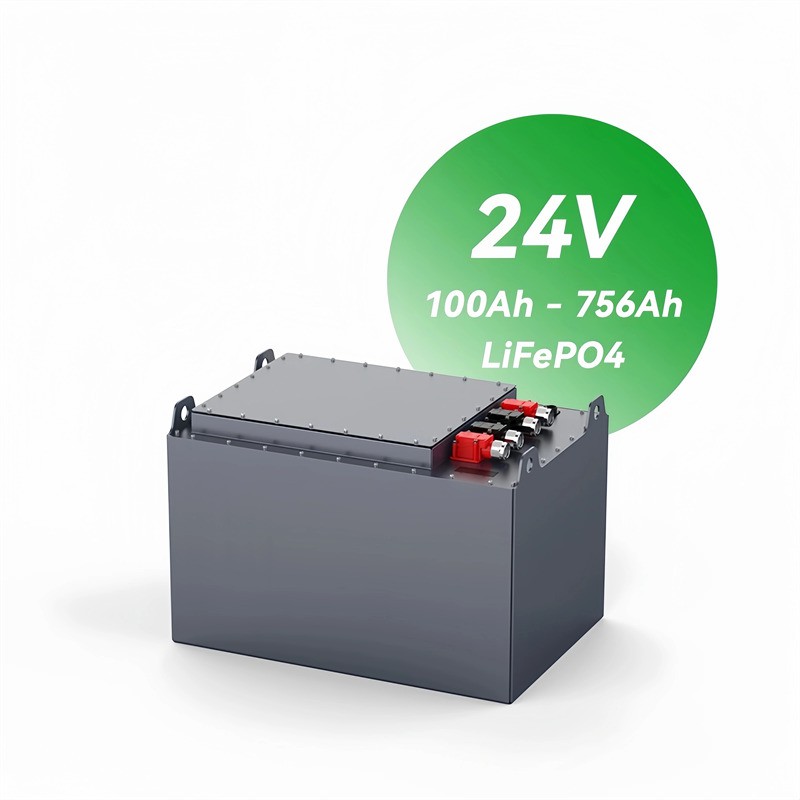
If you're still using lead - acid batteries in your forklifts, it might be time to consider making the switch. Our LiFePO4 forklift batteries offer a high level of energy efficiency, long lifespan, and low maintenance requirements. Whether you need a 24V LiFePO4 Forklift Battery for a smaller forklift or an 80V LiFePO4 Forklift Battery for a heavy - duty application, we've got you covered.
We understand that every business has different needs, and we're here to help you find the right battery solution. If you're interested in learning more about our forklift batteries or want to discuss how they can improve the energy efficiency of your operations, don't hesitate to reach out. We're always happy to have a chat and see how we can assist you.
In conclusion, energy efficiency is a crucial factor when it comes to choosing forklift batteries. LiFePO4 batteries offer a superior alternative to traditional lead - acid batteries in terms of energy conversion, charging speed, lifespan, and environmental impact. If you're looking to optimize your forklift operations and reduce costs, it's definitely worth considering making the switch.
References:
- Battery University: Various articles on battery chemistries and energy efficiency
- Industry reports on forklift battery performance and usage