

As a leading provider of containerized energy storage systems (ESS), I am often asked about the software components that make these systems so efficient and reliable. In this blog post, I will delve into the key software elements of container ESS, explaining their functions and importance in the overall system performance.
Energy Management System (EMS)
At the heart of any container ESS is the Energy Management System (EMS). This software acts as the brain of the system, monitoring and controlling all aspects of energy storage and distribution. The EMS is responsible for optimizing the charging and discharging of the batteries based on various factors such as electricity prices, grid demand, and renewable energy generation.
One of the primary functions of the EMS is to manage the power flow between the batteries, the grid, and the load. It can determine when to charge the batteries during off-peak hours when electricity prices are low and discharge them during peak hours to reduce the cost of electricity consumption. Additionally, the EMS can integrate with renewable energy sources such as solar panels and wind turbines, storing excess energy generated during sunny or windy periods and releasing it when the renewable sources are not producing enough power.
The EMS also plays a crucial role in ensuring the safety and longevity of the batteries. It monitors the battery state of charge (SOC), state of health (SOH), and temperature, and takes appropriate actions to prevent overcharging, over-discharging, and overheating. By maintaining the batteries within their optimal operating conditions, the EMS helps to extend their lifespan and reduce the risk of battery failure.
Battery Management System (BMS)
The Battery Management System (BMS) is another essential software component of container ESS. The BMS is responsible for monitoring and controlling the individual battery cells within the battery pack. It ensures that each cell is charged and discharged evenly, preventing any cell from being overcharged or over-discharged, which can lead to reduced battery performance and lifespan.
The BMS continuously monitors the voltage, current, and temperature of each battery cell and provides real-time data to the EMS. It also performs diagnostic tests to detect any potential issues with the batteries, such as cell imbalance or short circuits, and takes corrective actions to prevent further damage.
In addition to monitoring and control, the BMS also provides protection functions for the batteries. It can disconnect the battery pack from the system in case of an emergency, such as a short circuit or overheating, to prevent damage to the batteries and the surrounding equipment.
Monitoring and Control Software
Monitoring and control software is used to provide real-time visibility into the performance of the container ESS. This software allows operators to monitor various parameters such as battery SOC, power output, temperature, and system efficiency. It also provides historical data and analytics, enabling operators to analyze the system performance over time and identify any trends or issues.
The monitoring and control software can be accessed remotely via a web-based interface, allowing operators to monitor and control the system from anywhere in the world. This feature is particularly useful for large-scale container ESS installations that are spread across multiple locations.
In addition to monitoring, the software also provides control capabilities. Operators can use the software to remotely start, stop, and adjust the operation of the container ESS. They can also set up alerts and notifications to be notified of any abnormal conditions or events, such as a sudden drop in battery SOC or a rise in temperature.
Communication Software
Communication software is used to enable communication between the different components of the container ESS, as well as between the ESS and the grid. This software uses various communication protocols such as Modbus, CAN bus, and Ethernet to exchange data and commands between the different devices.
The communication software ensures that the EMS, BMS, monitoring and control software, and other components can communicate effectively with each other. It also enables the container ESS to communicate with the grid operator, allowing for seamless integration with the power grid.
For example, the communication software can be used to send and receive signals from the grid operator to adjust the power output of the container ESS based on the grid demand. It can also be used to receive real-time electricity prices and other market information, enabling the EMS to optimize the charging and discharging of the batteries accordingly.
Integration with Other Systems
Container ESS can be integrated with other systems such as renewable energy generation systems, microgrids, and building management systems. The software components of the container ESS play a crucial role in enabling this integration.
For example, the EMS can be integrated with a solar power system to manage the energy flow between the solar panels, the batteries, and the grid. It can ensure that the excess solar energy is stored in the batteries during the day and used to power the load at night or during periods of low solar generation.
Similarly, the container ESS can be integrated with a microgrid to provide backup power and support grid stability. The software components of the ESS can communicate with the microgrid controller to coordinate the operation of the ESS with other distributed energy resources such as generators and renewable energy sources.
Importance of Software in Container ESS
The software components of container ESS are essential for ensuring the efficient, reliable, and safe operation of the system. Without these software components, the container ESS would not be able to optimize the energy storage and distribution, monitor and control the batteries, or integrate with other systems.
The software also plays a crucial role in enabling the container ESS to provide various services such as peak shaving, load leveling, and frequency regulation. These services are becoming increasingly important as the demand for renewable energy and grid stability continues to grow.
For example, peak shaving is a service that involves reducing the peak electricity demand by discharging the batteries during periods of high demand. This can help to reduce the cost of electricity consumption and avoid grid congestion. The software components of the container ESS can analyze the historical electricity consumption data and predict the peak demand periods, allowing the EMS to optimize the battery discharge accordingly.
Conclusion
In conclusion, the software components of container ESS are the key to unlocking the full potential of these systems. The Energy Management System, Battery Management System, Monitoring and Control Software, Communication Software, and Integration with Other Systems all work together to ensure the efficient, reliable, and safe operation of the container ESS.
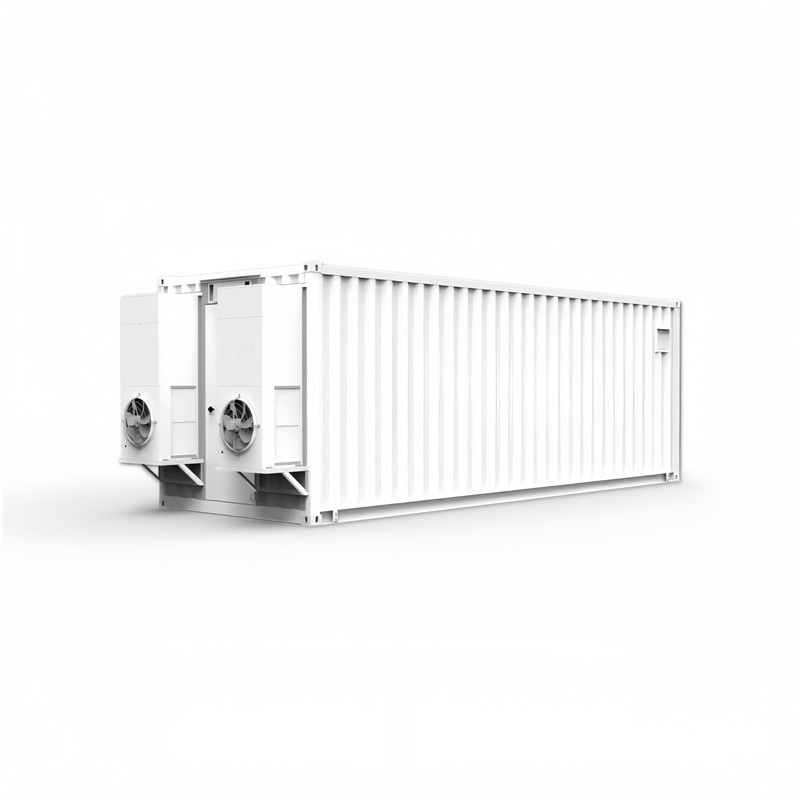

As a container ESS supplier, we understand the importance of these software components and are committed to providing high-quality software solutions that meet the needs of our customers. Our software is designed to be user-friendly, scalable, and customizable, allowing for seamless integration with different types of batteries, renewable energy sources, and grid systems.
If you are interested in learning more about our container ESS and the software components that make it so efficient and reliable, please [contact us] for a consultation. We would be happy to discuss your specific requirements and provide you with a customized solution that meets your needs.
References
- [1] "Energy Storage Systems: Technologies and Applications," by Ali Emadi and Saeed Mohammadi.
- [2] "Battery Management Systems: Design and Implementation," by Patrick T. Krein and Venkat R. Subramanian.
- [3] "Smart Grid: Fundamentals of Design and Analysis," by Massoud Amin and Vijay Vittal.