

Handling forklift batteries is a task that demands meticulous attention to safety. As a reputable forklift battery supplier, we understand the critical importance of safety precautions in every step of battery handling. In this blog, we will delve into the essential safety measures that should be followed when dealing with forklift batteries, ensuring the well - being of operators and the longevity of the batteries.
1. Personal Protective Equipment (PPE)
Before even approaching a forklift battery, appropriate Personal Protective Equipment must be worn. This includes safety goggles, acid - resistant gloves, and protective aprons. Safety goggles are crucial as they protect the eyes from potential splashes of battery acid. Acid can cause severe damage to the eyes, leading to permanent vision impairment. Acid - resistant gloves shield the hands from direct contact with the acid, which can cause chemical burns. A protective apron further safeguards the body from any spills or splashes.
When removing or installing a battery, operators should also wear steel - toed boots. Forklift batteries are heavy, and there is a risk of the battery or related equipment falling on the feet. Steel - toed boots provide an extra layer of protection against such accidents.
2. Battery Inspection
Regular inspection of forklift batteries is a fundamental safety measure. Before handling a battery, visually inspect it for any signs of damage, such as cracks, leaks, or bulges. A cracked battery casing can lead to acid leakage, which is not only dangerous for the operators but can also damage the forklift and the surrounding environment.
Check the battery terminals for corrosion. Corroded terminals can cause poor electrical connections, which may lead to overheating and potential fire hazards. If corrosion is detected, it should be cleaned using a solution of baking soda and water. After cleaning, dry the terminals thoroughly before reconnecting them.
3. Handling Equipment
Using the right handling equipment is essential for safe battery handling. Forklift batteries are heavy, and attempting to lift them manually can result in serious back injuries. Hydraulic battery handlers or hoists should be used to lift and move the batteries. These tools are designed to handle the weight of the batteries safely and efficiently.
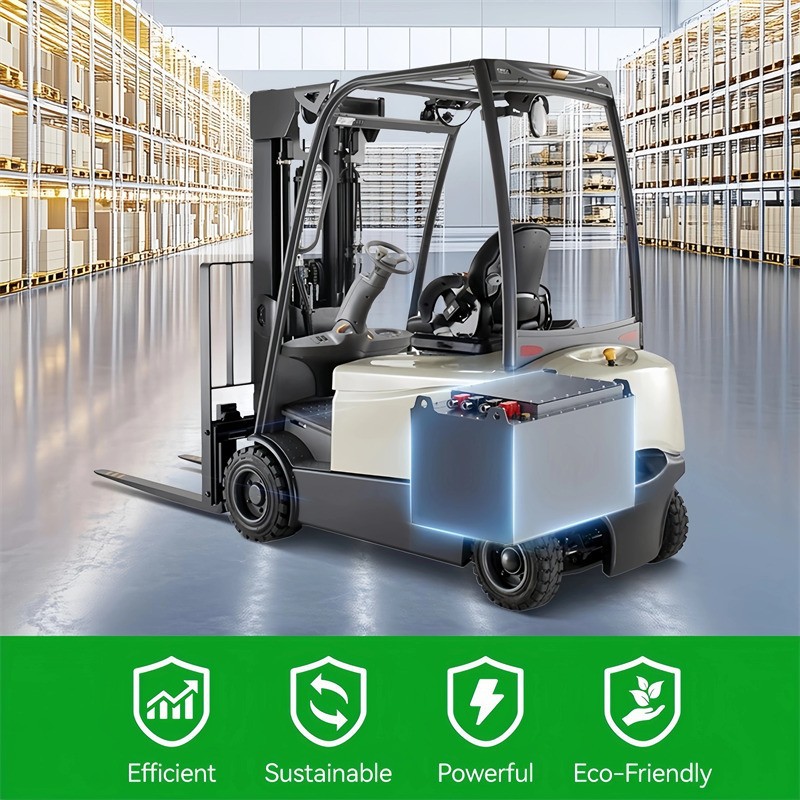
When using a hoist or a battery handler, ensure that it is in good working condition. Check the cables, chains, and hooks for any signs of wear or damage. Make sure that the lifting equipment is rated to handle the weight of the specific battery being moved. For example, our 36V 690Ah LiFePO4 Forklift Battery has a certain weight, and the handling equipment should be capable of lifting it without any issues.
4. Charging Safety
Charging forklift batteries is a process that requires strict safety adherence. First, ensure that the charging area is well - ventilated. During the charging process, batteries release hydrogen gas, which is highly flammable. A well - ventilated area helps to dissipate the gas and reduces the risk of explosion.
Before connecting the battery to the charger, make sure that the charger is compatible with the battery. Using an incompatible charger can overcharge or undercharge the battery, leading to reduced battery life and potential safety hazards. For instance, our 80V LiFePO4 Forklift Battery requires a charger specifically designed for 80V LiFePO4 batteries.
Do not leave the battery unattended while it is charging. Monitor the charging process regularly to ensure that there are no signs of overheating, excessive gassing, or other abnormal conditions. If any problems are detected, immediately stop the charging process and consult a professional.
5. Storage Safety
Proper storage of forklift batteries is also crucial for safety. Batteries should be stored in a cool, dry, and well - ventilated area. High temperatures can accelerate the self - discharge rate of the batteries and can also cause damage to the battery components.
Store the batteries on a stable surface that is resistant to acid. If possible, use battery racks to keep the batteries elevated and prevent any contact with the floor. This helps to prevent corrosion and damage to the battery casing.
When storing multiple batteries, keep them at a safe distance from each other. This reduces the risk of short - circuits and allows for better ventilation around each battery.
6. Disposal and Recycling
When a forklift battery reaches the end of its useful life, it must be disposed of properly. Forklift batteries contain hazardous materials such as lead and acid, which can be harmful to the environment if not disposed of correctly.
Contact a licensed battery recycling facility to handle the disposal of the battery. These facilities have the expertise and equipment to recycle the battery components safely and in an environmentally friendly manner. Do not attempt to dispose of the battery in regular trash or landfill sites.
7. Training
All personnel involved in handling forklift batteries should receive proper training. Training should cover all aspects of battery handling, including the use of PPE, battery inspection, handling equipment operation, charging procedures, storage, and disposal.

Trained operators are more likely to follow safety procedures correctly, reducing the risk of accidents and injuries. Regular refresher courses should also be provided to keep the operators updated on the latest safety practices.
8. Emergency Preparedness
Despite taking all the necessary safety precautions, emergencies can still occur. It is essential to have an emergency plan in place. The emergency plan should include procedures for dealing with acid spills, battery fires, and other potential hazards.
Have appropriate emergency equipment readily available, such as spill kits, fire extinguishers, and eyewash stations. Spill kits should contain materials that can neutralize the acid, such as baking soda. Fire extinguishers suitable for electrical fires should be used in case of a battery fire. Eyewash stations should be located near the battery handling area to provide immediate relief in case of acid splashes in the eyes.
Contact for Procurement
As a leading forklift battery supplier, we are committed to providing high - quality and safe forklift batteries. Our 24V LiFePO4 Forklift Battery and other products are designed with safety and performance in mind. If you are interested in purchasing forklift batteries or have any questions about battery safety, please feel free to contact us. We are here to assist you with all your forklift battery needs.
References
- "Forklift Safety Manual" by Occupational Safety and Health Administration (OSHA)
- "Battery Handling and Maintenance Guide" by the Battery Council International
- Industry standards and guidelines for forklift battery manufacturers.