

In the rapidly evolving landscape of energy storage, liquid cooling batteries have emerged as a game - changer. As a leading supplier of Liquid Cooling Battery, I've witnessed firsthand the numerous economic benefits that these advanced energy storage solutions offer. This blog post will delve into the key economic advantages of using liquid cooling batteries, exploring how they can optimize costs, enhance efficiency, and contribute to long - term financial sustainability.
1. Enhanced Battery Lifespan and Reduced Replacement Costs
One of the most significant economic benefits of liquid cooling batteries is their ability to extend battery lifespan. Batteries generate heat during charging and discharging cycles. Excessive heat can accelerate the degradation of battery cells, leading to a shorter overall lifespan. Liquid cooling systems are highly effective at maintaining optimal operating temperatures within the battery pack.
By dissipating heat efficiently, liquid cooling prevents the overheating of battery cells. This controlled thermal environment slows down the chemical reactions that cause wear and tear on the battery, such as electrolyte decomposition and electrode degradation. As a result, liquid cooling batteries can endure a greater number of charge - discharge cycles compared to their non - liquid - cooled counterparts.
For example, in a typical energy storage application, a non - liquid - cooled battery might need to be replaced every 5 - 7 years. In contrast, a liquid cooling battery can last 10 - 15 years or even longer. This extended lifespan translates into substantial cost savings over time. Instead of incurring the high cost of frequent battery replacements, businesses and utility providers can make a single investment in a liquid cooling battery system and enjoy its benefits for a much longer period.
2. Improved Energy Efficiency and Reduced Operating Costs
Liquid cooling batteries also offer superior energy efficiency. When a battery operates at an optimal temperature, its internal resistance is minimized. Lower internal resistance means less energy is wasted as heat during the charging and discharging processes. This improved energy efficiency directly translates into cost savings on electricity bills.
In large - scale energy storage systems, such as those used in utility - scale applications or industrial facilities, even a small improvement in energy efficiency can result in significant savings. For instance, a utility - scale energy storage system with a capacity of several megawatt - hours can save thousands of dollars in electricity costs annually by using liquid cooling batteries.
Moreover, liquid cooling systems can be designed to recover and reuse the heat generated by the batteries. This waste heat can be used for other purposes, such as space heating in nearby buildings or industrial processes. By repurposing the waste heat, the overall energy efficiency of the system is further enhanced, and additional cost savings can be achieved.
3. Higher Power Density and Reduced Installation Costs
Liquid cooling batteries typically have a higher power density compared to air - cooled batteries. Power density refers to the amount of power that can be stored and delivered per unit volume or weight of the battery. A higher power density means that more energy can be stored in a smaller physical space.
This is particularly advantageous in applications where space is limited, such as in urban areas or on offshore platforms. With liquid cooling batteries, businesses can achieve the same energy storage capacity using a smaller battery footprint. This reduces the need for large - scale battery installations, which in turn lowers the costs associated with land acquisition, construction, and infrastructure development.
For example, in a data center that requires a backup power system, a liquid cooling battery system can be installed in a much smaller area compared to an air - cooled system. This not only saves on the cost of floor space but also reduces the overall installation time and complexity.
4. Faster Charging and Discharging Rates
Liquid cooling batteries can support faster charging and discharging rates. The ability to charge and discharge quickly is crucial in many applications, such as electric vehicle (EV) charging stations and grid - scale energy storage systems.
In EV charging stations, faster charging times can attract more customers, leading to increased revenue. For grid - scale energy storage systems, rapid charging and discharging capabilities allow for more effective load balancing and frequency regulation. This enables the grid to respond more quickly to changes in electricity demand and supply, which can help prevent power outages and reduce the need for expensive grid upgrades.
The faster charging and discharging rates of liquid cooling batteries also mean that they can be used more intensively, increasing their overall utilization rate. This leads to a higher return on investment (ROI) as the battery system can generate more revenue or provide more value in a shorter period.
5. Compatibility with Renewable Energy Sources
As the world shifts towards renewable energy sources such as solar and wind, the need for effective energy storage solutions has become increasingly important. Liquid cooling batteries are well - suited for integrating with renewable energy systems.
Renewable energy sources are intermittent, meaning they do not produce electricity consistently. Energy storage systems are required to store the excess energy generated during peak production periods and release it when the production is low. Liquid cooling batteries can handle the rapid fluctuations in charging and discharging that are common in renewable energy applications.
By storing the excess energy from renewable sources, liquid cooling batteries can help reduce the reliance on fossil - fuel - based power plants. This not only contributes to environmental sustainability but also helps to stabilize electricity prices. As the cost of renewable energy continues to decline, the combination of liquid cooling batteries and renewable energy sources can provide a cost - effective and reliable energy solution.
6. Lower Maintenance Costs
Liquid cooling battery systems generally require less maintenance compared to other types of battery systems. The liquid cooling system itself is designed to be reliable and durable, with few moving parts. This reduces the likelihood of mechanical failures and the need for frequent maintenance.
In addition, the stable operating temperature provided by the liquid cooling system helps to prevent the formation of dendrites (tiny metal filaments) in the battery cells. Dendrite formation can cause short - circuits and other battery malfunctions, which often require costly repairs. By minimizing dendrite formation, liquid cooling batteries can operate more reliably and require less maintenance over their lifespan.
Conclusion
The economic benefits of using liquid cooling batteries are clear. From extended lifespan and reduced replacement costs to improved energy efficiency, higher power density, faster charging rates, compatibility with renewable energy, and lower maintenance costs, liquid cooling batteries offer a comprehensive solution for cost - effective energy storage.
As a supplier of Liquid Cooling Battery and Liquid Cooling ESS Container, I'm committed to providing high - quality products that can help businesses and utility providers achieve their energy storage goals while maximizing their economic returns.
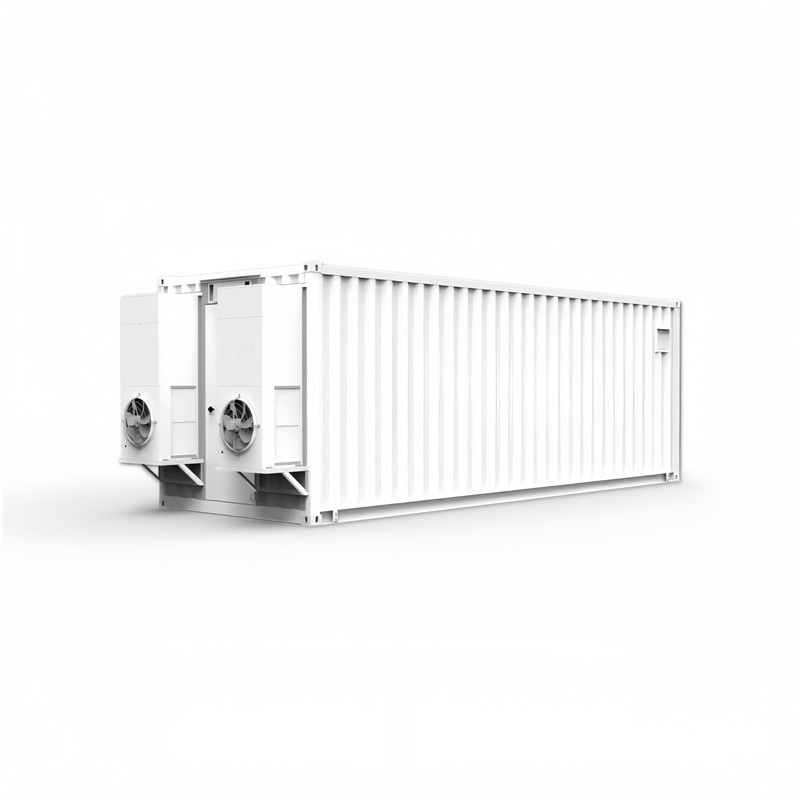

If you're interested in learning more about our liquid cooling battery solutions or are considering a new energy storage project, I encourage you to contact us for a detailed consultation. Our team of experts can provide you with customized solutions based on your specific needs and requirements. Let's work together to harness the economic benefits of liquid cooling batteries and build a more sustainable and cost - effective energy future.
References
- International Renewable Energy Agency (IRENA). "Energy Storage and Renewables: Powering a Sustainable Future."
- Battery Council International (BCI). "Battery Technology and Applications."
- U.S. Department of Energy (DOE). "Advanced Battery Research and Development."