

Hey there! As a supplier of ESS - Energy Storage Systems, I've seen firsthand how crucial these systems are in today's energy - conscious world. In this blog, I'm gonna break down the control strategies for an ESS, sharing what I've learned over the years.
1. Understanding the Basics of ESS
Before we dive into control strategies, let's quickly go over what an ESS is. An Energy Storage System is like a big battery on steroids. It stores energy when it's abundant, like during sunny days for solar power or windy nights for wind energy, and releases it when the demand is high or when the primary energy source isn't producing.
There are different types of ESS, such as battery - based systems, flywheel energy storage, and pumped - hydro storage. But in my line of work, battery - based ESS are the most popular. They're versatile, can be installed in various settings (from homes to large - scale power plants), and are getting more efficient and affordable every day.
2. Key Control Strategies
2.1 Peak Shaving
One of the most common control strategies is peak shaving. Think about your electricity usage at home. There are times when you use a lot of power, like in the evenings when you're cooking, watching TV, and running the air - conditioner. These are peak demand periods.
For businesses and power grids, peak demand can be a real headache. It can strain the grid, lead to higher electricity costs, and even cause blackouts. That's where an ESS comes in. With peak shaving, the ESS is programmed to release stored energy during peak demand periods. This reduces the amount of electricity that needs to be drawn from the grid, saving money and easing the load on the grid.
Let's say you have a Solar Powered Battery Pack for Home 8kWh. You can set it up to kick in during the evening peak hours, powering your essential appliances and reducing your reliance on the grid.
2.2 Load Leveling
Load leveling is similar to peak shaving but on a broader scale. Instead of just focusing on peak demand, load leveling aims to smooth out the overall electricity demand over a period of time.
Power generation from renewable sources like solar and wind can be intermittent. The sun doesn't always shine, and the wind doesn't always blow. An ESS can store excess energy when the generation is high and release it when the generation is low. This helps to create a more stable and consistent power supply.
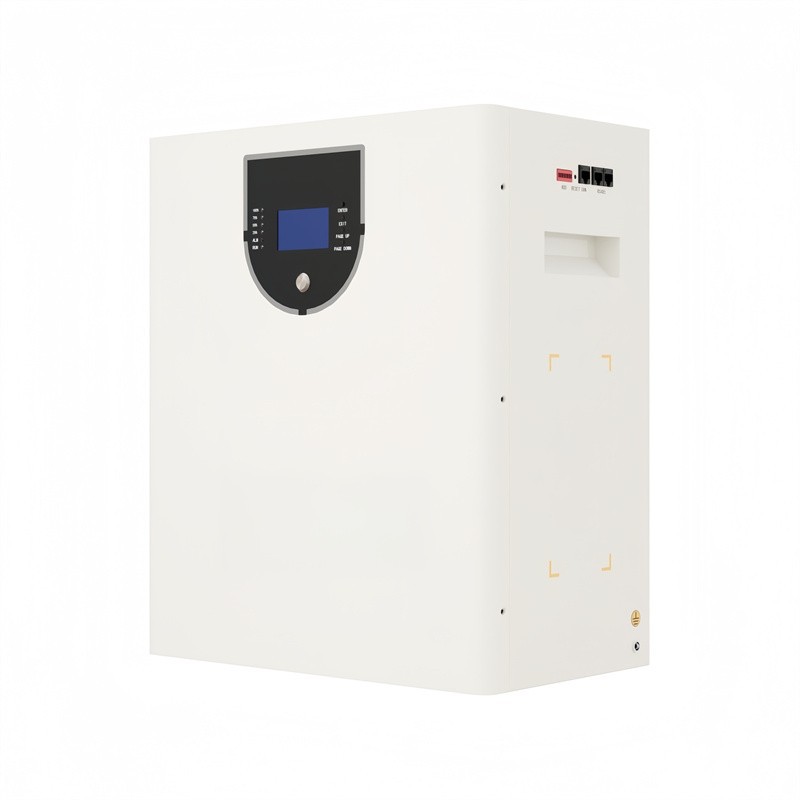

For example, a solar power plant might produce a lot of electricity during the middle of the day. But the demand might be lower at that time. The ESS can store this excess energy and release it later in the day when the demand picks up.
2.3 Frequency Regulation
Frequency regulation is super important for maintaining the stability of the power grid. The frequency of an electrical system needs to stay within a narrow range (usually around 50 or 60 Hz, depending on the country). Any deviation from this range can cause problems for electrical equipment and even damage the grid.
An ESS can be used to regulate the frequency. When the frequency drops, the ESS can quickly inject power into the grid to bring it back up. When the frequency is too high, the ESS can absorb excess power. This rapid response is crucial for keeping the grid stable, especially with the increasing integration of renewable energy sources, which can be more variable.
2.4 Arbitrage
Arbitrage is all about making money. Electricity prices can vary throughout the day. They're usually lower during off - peak hours and higher during peak hours. An ESS can take advantage of these price differences.
The ESS can charge during off - peak hours when the electricity is cheap and discharge during peak hours when the electricity is expensive. This way, you can sell the stored energy at a higher price than what you paid to charge the ESS, making a profit. It's like buying low and selling high in the electricity market.
3. Advanced Control Techniques
3.1 Model - Predictive Control (MPC)
Model - Predictive Control is an advanced control technique that uses mathematical models to predict the future behavior of the ESS and the power system. It takes into account factors like electricity prices, weather forecasts, and load profiles to make optimal control decisions.
MPC can optimize the charging and discharging of the ESS over a certain time horizon. For example, if it predicts that electricity prices will be very high tomorrow evening, it can charge the ESS today and discharge it at the right time to maximize profit.
3.2 Fuzzy Logic Control
Fuzzy logic control is a more flexible approach. It doesn't rely on precise mathematical models but rather on a set of rules based on human knowledge and experience.
For example, instead of having a strict rule about when to charge and discharge the ESS based on specific electricity prices, fuzzy logic control can consider other factors like the state of charge of the battery, the time of day, and the weather conditions in a more intuitive way. It can make decisions that are more adaptable to changing situations.
4. Integration with Renewable Energy Sources
ESS is a game - changer when it comes to integrating renewable energy sources into the grid. As I mentioned earlier, renewable energy is intermittent. But with an ESS, we can make it more reliable.
Let's take solar power as an example. 725W Solar Panels can produce a lot of electricity during the day. But if there's no way to store this energy, it goes to waste. An ESS can store the excess solar energy and release it when the sun goes down or when the demand is high.
Similarly, for wind farms, an ESS can store the energy generated during windy periods and provide a steady power supply when the wind calms down. This integration is essential for a more sustainable and reliable energy future.
5. Portable ESS and Their Control
Portable ESS, like the 300W Electric Portable Power Station, have their own unique control requirements. These are designed for on - the - go use, like camping, outdoor events, or as a backup power source during emergencies.
The control strategy for portable ESS focuses on maximizing the available power and ensuring a long battery life. They usually have simple control interfaces that allow users to easily monitor the state of charge and control the charging and discharging process. For example, you can set it to charge from a solar panel during the day and use it to power your lights and small appliances at night.
6. Conclusion and Call to Action
As you can see, there are many control strategies for an ESS, each with its own benefits and applications. Whether you're a homeowner looking to save on electricity bills, a business owner aiming to reduce your carbon footprint, or a power grid operator trying to maintain stability, an ESS can be a great solution.
If you're interested in learning more about our ESS products and how they can be customized with the right control strategies for your needs, don't hesitate to reach out. We're here to help you make the most of your energy storage investment. Let's work together to build a more sustainable and energy - efficient future!
References
- Kempton, W., & Tomić, J. (2005). Vehicle - to - grid power implementation: From stabilizing the grid to supporting large - scale renewable energy. Journal of Power Sources, 144(1), 280 - 294.
- Sioshansi, R. (2011). Energy Storage for the Electricity Grid: Benefits and Market Potential Assessment Guide. International Energy Agency.
- Pregelj, M., & Kuzle, A. (2017). Battery energy storage systems for frequency regulation: A review. Renewable and Sustainable Energy Reviews, 75, 1223 - 1232.