

Integrating liquid cooling batteries into existing systems presents a series of challenges that need to be carefully addressed. As a supplier of Liquid Cooling Battery, I have witnessed firsthand the complexities involved in this process. In this blog, I will delve into the key challenges and discuss potential solutions.
Compatibility Issues
One of the primary challenges in integrating liquid cooling batteries into existing systems is compatibility. Existing systems are often designed with specific types of batteries in mind, and introducing liquid cooling batteries may require significant modifications. For example, the physical dimensions of liquid cooling batteries may differ from traditional batteries, which can lead to issues with installation and mounting. Additionally, the electrical and thermal interfaces of the existing system may not be compatible with the liquid cooling battery, requiring additional components or modifications to ensure proper operation.
Another aspect of compatibility is the software and control systems. Liquid cooling batteries often require advanced control algorithms to manage the cooling process and ensure optimal performance. Existing systems may not have the necessary software capabilities to interface with the liquid cooling battery, which can lead to suboptimal performance or even system failures. To address this challenge, it is essential to work closely with the system integrator to develop a customized solution that takes into account the specific requirements of the liquid cooling battery and the existing system.
Thermal Management
Thermal management is a critical aspect of battery performance and safety. Liquid cooling batteries rely on a liquid coolant to remove heat from the battery cells, which helps to maintain a stable operating temperature and prevent overheating. However, integrating a liquid cooling system into an existing system can be challenging, as it requires careful consideration of the thermal properties of the battery, the coolant, and the surrounding environment.
One of the main challenges in thermal management is ensuring uniform cooling across all battery cells. In a large battery pack, the temperature distribution can vary significantly, which can lead to uneven aging and reduced performance. To address this issue, it is necessary to design a liquid cooling system that can provide uniform cooling to all cells. This may involve using a combination of flow channels, pumps, and heat exchangers to ensure that the coolant is distributed evenly throughout the battery pack.
Another challenge in thermal management is managing the heat transfer between the battery and the coolant. The efficiency of the heat transfer process depends on several factors, including the thermal conductivity of the battery cells, the coolant, and the interface between them. To optimize the heat transfer, it is necessary to use materials with high thermal conductivity and to design the cooling system to minimize the thermal resistance between the battery and the coolant.
Safety Concerns
Safety is a top priority when it comes to battery systems. Liquid cooling batteries introduce additional safety risks, such as the potential for coolant leaks and electrical short circuits. To ensure the safety of the system, it is essential to implement appropriate safety measures and to follow strict safety standards and regulations.

One of the main safety concerns with liquid cooling batteries is the potential for coolant leaks. A coolant leak can lead to corrosion of the battery cells, electrical short circuits, and even fire or explosion. To prevent coolant leaks, it is necessary to use high-quality seals and gaskets and to design the cooling system to minimize the risk of leaks. Additionally, it is important to implement a leak detection system that can detect and alert operators in the event of a leak.
Another safety concern with liquid cooling batteries is the potential for electrical short circuits. A short circuit can occur if the coolant comes into contact with the electrical components of the battery, such as the terminals or the wiring. To prevent short circuits, it is necessary to use insulating materials and to design the cooling system to keep the coolant away from the electrical components. Additionally, it is important to implement a short circuit protection system that can detect and isolate the affected cells in the event of a short circuit.
Cost and Complexity
Integrating liquid cooling batteries into existing systems can be expensive and complex. The cost of the liquid cooling system itself can be significant, as it requires specialized components such as pumps, heat exchangers, and coolant reservoirs. Additionally, the installation and integration of the liquid cooling system can be time-consuming and labor-intensive, which can add to the overall cost.
Another factor that contributes to the cost and complexity of integrating liquid cooling batteries is the need for specialized knowledge and expertise. Liquid cooling systems are complex and require a high level of technical knowledge to design, install, and maintain. This means that system integrators and operators need to have the necessary skills and experience to work with liquid cooling batteries. To address this challenge, it is important to partner with a reputable supplier who can provide technical support and training to ensure the successful integration and operation of the liquid cooling system.
Scalability
Scalability is an important consideration when integrating liquid cooling batteries into existing systems. As the demand for energy storage increases, it is likely that the size and capacity of battery systems will need to be scaled up. However, scaling up a liquid cooling system can be challenging, as it requires careful consideration of the thermal and hydraulic properties of the system.
One of the main challenges in scalability is ensuring that the cooling system can provide sufficient cooling capacity to meet the increased demand. As the size and capacity of the battery system increase, the amount of heat generated by the battery cells also increases. To ensure that the cooling system can keep up with the increased heat load, it may be necessary to increase the flow rate of the coolant, the size of the heat exchangers, or the number of pumps.
Another challenge in scalability is maintaining the uniformity of cooling across all battery cells. As the size of the battery pack increases, the temperature distribution can become more complex, which can make it more difficult to ensure uniform cooling. To address this issue, it may be necessary to use more advanced cooling technologies, such as microchannel cooling or direct liquid cooling, which can provide more precise and uniform cooling.
Conclusion
Integrating liquid cooling batteries into existing systems presents a series of challenges that need to be carefully addressed. Compatibility issues, thermal management, safety concerns, cost and complexity, and scalability are some of the key challenges that need to be considered. However, with the right approach and the use of advanced technologies, these challenges can be overcome, and the benefits of liquid cooling batteries can be realized.
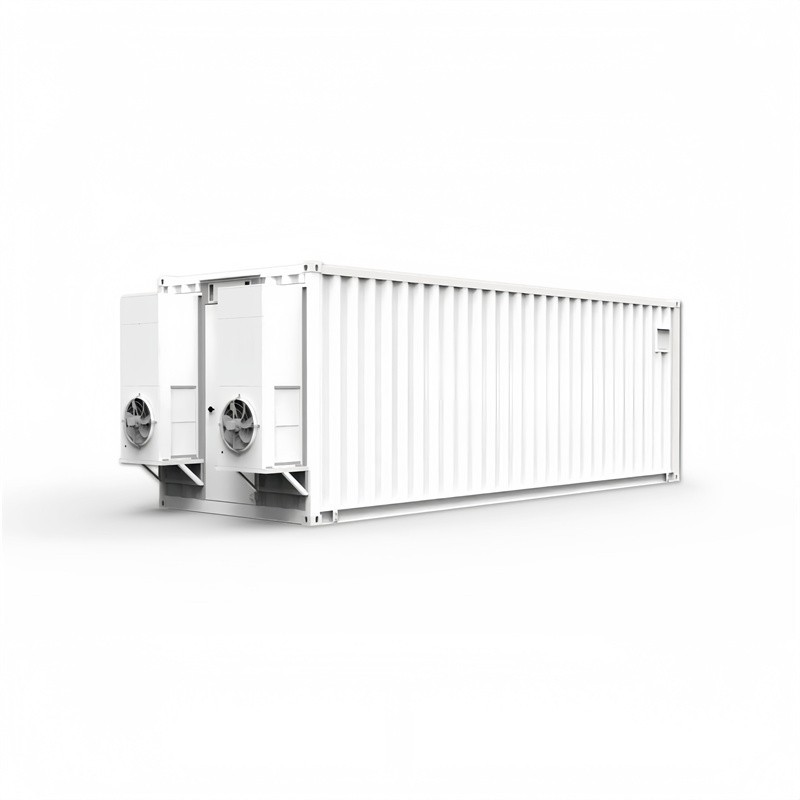
As a supplier of Liquid Cooling Battery and Liquid Cooling ESS Container, we are committed to providing our customers with high-quality products and solutions that meet their specific needs. We have a team of experienced engineers and technicians who can work closely with you to design and implement a customized liquid cooling system that is compatible with your existing system and meets your performance and safety requirements.
If you are interested in learning more about our liquid cooling battery products and solutions or would like to discuss your specific requirements, please contact us to start a procurement negotiation. We look forward to working with you to help you achieve your energy storage goals.
References
- Smith, J. (2020). Thermal Management of Lithium-Ion Batteries. Journal of Power Sources, 450, 227634.
- Wang, X., & Li, Y. (2019). Safety Issues and Thermal Management of Lithium-Ion Batteries for Electric Vehicles. Energy Storage Materials, 21, 133-146.
- Chen, Z., & Zhang, J. (2018). Liquid Cooling System Design for Lithium-Ion Battery Packs. Journal of Energy Storage, 17, 20-27.