

When dealing with an AGV (Automated Guided Vehicle) that has a battery discharging too quickly, it can be a frustrating and costly issue for businesses relying on these automated systems. As an AGV battery supplier, I've encountered numerous cases of rapid battery discharge, and in this blog, I'll share some practical troubleshooting steps to help you identify and resolve this problem.
Understanding the Basics of AGV Batteries
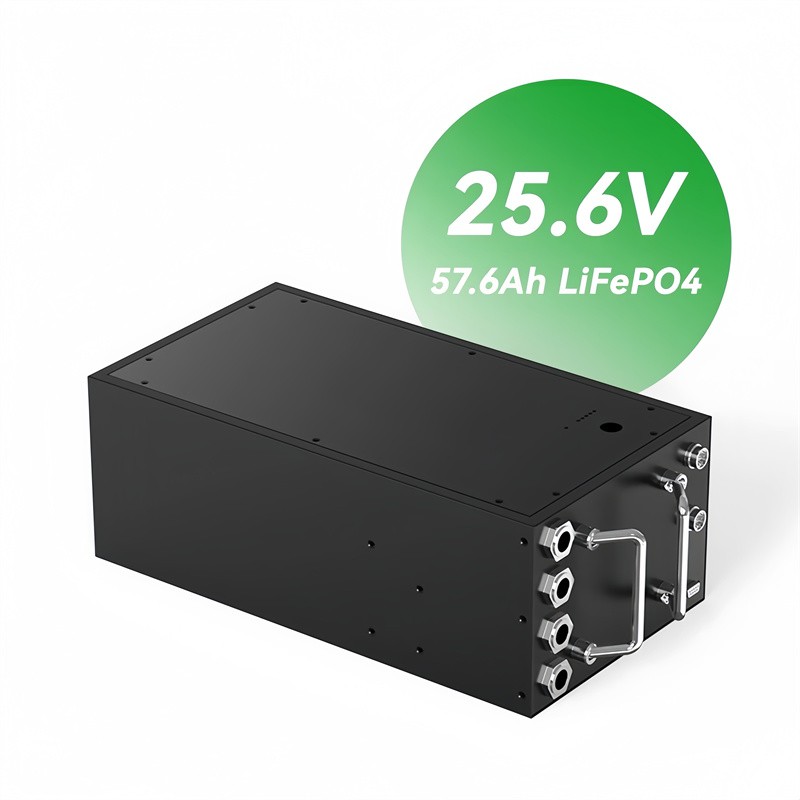
Before we dive into troubleshooting, it's essential to understand the types of batteries commonly used in AGVs. One of the most popular options is the AGV LiFePO4 Battery Pack. Lithium Iron Phosphate (LiFePO4) batteries offer several advantages, including high energy density, long cycle life, and better thermal stability compared to other battery chemistries.

Initial Checks
When you notice that an AGV battery is discharging too quickly, the first step is to conduct some basic checks.
1. Visual Inspection
Start by visually inspecting the battery for any signs of physical damage, such as cracks, leaks, or bulges. Physical damage can compromise the battery's integrity and lead to rapid discharge. If you find any visible damage, it's crucial to replace the battery immediately to avoid safety hazards.
2. Connection Checks
Ensure that all the battery connections are secure. Loose connections can cause increased resistance, which leads to energy loss and faster discharge. Check the terminals, cables, and any connectors for signs of corrosion or looseness. If you find corrosion, clean the affected areas using a mixture of baking soda and water, and then dry them thoroughly before reconnecting.
3. Battery Age and Usage
Consider the age and usage of the battery. Batteries have a limited lifespan, and as they age, their capacity naturally decreases. If the battery is approaching the end of its expected lifespan, it may be time to replace it. Additionally, excessive usage, such as frequent deep discharges or overcharging, can also accelerate battery degradation.
Analyzing the Charging Process
The charging process plays a significant role in the health and performance of AGV batteries. Here are some aspects to consider:
1. Charger Compatibility
Ensure that the charger is compatible with the battery. Using an incompatible charger can lead to improper charging, which may cause rapid discharge. Check the charger's specifications, including voltage, current, and charging algorithm, to make sure they match the battery's requirements.
2. Charging Time and Frequency
Analyze the charging time and frequency. Overcharging or undercharging can both have a negative impact on the battery. If the battery is not charged for long enough, it may not reach its full capacity, resulting in shorter run times. On the other hand, overcharging can cause overheating and damage the battery cells. Follow the manufacturer's recommendations for charging time and frequency.
3. Charging Environment
The charging environment can also affect the battery's performance. Extreme temperatures, both hot and cold, can impact the charging efficiency and battery life. Make sure the charging area is well-ventilated and maintained at a suitable temperature range. Avoid charging the battery in direct sunlight or in areas with high humidity.
Evaluating the AGV's Operating Conditions
The operating conditions of the AGV can also contribute to rapid battery discharge. Here are some factors to consider:
1. Load and Usage Patterns
Analyze the AGV's load and usage patterns. If the AGV is frequently carrying heavy loads or operating in a high-traffic environment, it will require more power, which can lead to faster battery discharge. Consider optimizing the AGV's routes and load distribution to reduce the power consumption.
2. Operating Temperature
The operating temperature can significantly affect the battery's performance. High temperatures can increase the internal resistance of the battery, leading to faster discharge. On the other hand, low temperatures can reduce the battery's capacity. Try to maintain the AGV's operating temperature within the recommended range.
3. Software and Control Settings
Check the AGV's software and control settings. Incorrect settings, such as excessive speed or acceleration, can cause the AGV to consume more power. Review the settings and make any necessary adjustments to optimize the power consumption.
Using Diagnostic Tools
If the above steps do not resolve the issue, it may be necessary to use diagnostic tools to further analyze the battery's performance.
1. Battery Management System (BMS)
Most modern AGV batteries are equipped with a Battery Management System (BMS). The BMS monitors the battery's voltage, current, temperature, and state of charge. Use the BMS to collect data and analyze the battery's performance. Look for any abnormal readings, such as overvoltage, undervoltage, or excessive temperature, which may indicate a problem.
2. Battery Analyzers
Battery analyzers can provide more detailed information about the battery's health and performance. These tools can measure the battery's capacity, internal resistance, and other parameters. Use a battery analyzer to conduct a comprehensive test of the battery and identify any potential issues.
Conclusion
Troubleshooting an AGV battery that discharges too quickly requires a systematic approach. By conducting initial checks, analyzing the charging process, evaluating the operating conditions, and using diagnostic tools, you can identify and resolve the problem. Remember, proper maintenance and care are essential for extending the lifespan of AGV batteries and ensuring optimal performance.
If you're experiencing persistent issues with your AGV batteries or need further assistance, don't hesitate to reach out to us. As an experienced AGV battery supplier, we have the expertise and resources to help you find the best solutions for your specific needs. Whether you need a new battery, technical support, or advice on battery maintenance, we're here to assist you. Contact us today to start a discussion about your AGV battery requirements.
References
- Battery University: A comprehensive resource for battery-related information.
- Manufacturer's documentation for AGV batteries and chargers.