

Hey there! As a forklift batteries supplier, I often get asked about how to connect multiple forklift batteries in parallel. It's a common question, especially for those looking to boost the power capacity of their forklift operations. So, let's dive right into it!
Why Connect Forklift Batteries in Parallel?
First off, let's talk about why you'd want to connect batteries in parallel. When you connect batteries in parallel, you're essentially increasing the overall amp - hour (Ah) capacity while keeping the voltage the same. This means your forklift can run for a longer time without needing a recharge. For example, if you have two 100Ah batteries connected in parallel, you'll end up with a combined capacity of 200Ah at the same voltage.
What You Need Before You Start
Before you start connecting your forklift batteries in parallel, there are a few things you'll need:
- Matching Batteries: It's crucial to use batteries that are of the same type, voltage, and capacity. For instance, if you're using 24V LiFePO4 Forklift Battery, make sure all the batteries you're connecting are 24V LiFePO4 with the same Ah rating. Mismatched batteries can lead to uneven charging and discharging, which can shorten the lifespan of your batteries.
- Safety Gear: Safety should always be your top priority. You'll need safety glasses, gloves, and a fire extinguisher nearby. Forklift batteries can produce hydrogen gas, which is highly flammable, so it's important to take precautions.
- Tools: You'll need a set of wrenches to loosen and tighten the battery terminals. Make sure the wrenches are insulated to prevent any electrical shocks.
Step - by - Step Guide to Connecting Batteries in Parallel
Now that you have everything you need, here's a step - by - step guide on how to connect multiple forklift batteries in parallel:
Step 1: Prepare the Batteries
- First, make sure all the batteries are fully charged. This will ensure that they start at the same state of charge.
- Place the batteries in a well - ventilated area. As mentioned earlier, batteries can produce hydrogen gas, so good ventilation is essential.
Step 2: Identify the Positive and Negative Terminals
- Each battery has a positive (+) and a negative (-) terminal. Usually, the positive terminal is larger and may be marked with a red cover or the plus sign. The negative terminal is smaller and may have a black cover or the minus sign.
Step 3: Connect the Positive Terminals
- Take a battery cable and connect the positive terminal of the first battery to the positive terminal of the second battery. Make sure the connection is tight by using a wrench to tighten the terminal nuts.
- If you're connecting more than two batteries, continue to connect all the positive terminals together using additional battery cables.
Step 4: Connect the Negative Terminals
- In the same way, connect the negative terminal of the first battery to the negative terminal of the second battery using another battery cable. Again, tighten the terminal nuts to ensure a good connection.
- Keep connecting all the negative terminals of all the batteries together.
Step 5: Double - Check the Connections
- Once you've connected all the batteries, double - check all the connections to make sure they're tight and there are no loose cables. Loose connections can cause arcing, which is a fire hazard.
Potential Issues and How to Avoid Them
While connecting batteries in parallel is relatively straightforward, there are a few potential issues you should be aware of:
Uneven Discharging
- If the batteries are not perfectly matched, one battery may discharge faster than the others. To avoid this, always use batteries of the same type, voltage, and capacity.
- Regularly check the state of charge of each battery to ensure they're discharging evenly.
Overheating
- When batteries are connected in parallel, there's a risk of overheating, especially if the charging system is not properly regulated. Make sure your charging system is designed to handle the increased capacity of the parallel - connected batteries.
- Monitor the temperature of the batteries during charging and discharging. If they get too hot, stop the operation and check for any issues.
Different Types of Forklift Batteries for Parallel Connection
We offer a variety of forklift batteries that can be connected in parallel. For example, our 36V 690Ah LiFePO4 Forklift Battery is a great option for those looking for high - capacity and long - lasting power. The LiFePO4 technology provides a stable voltage output and a longer cycle life compared to traditional lead - acid batteries.
Our 48V LiFePO4 Forklift Battery is also a popular choice. It's suitable for larger forklifts that require more power. Connecting multiple 48V LiFePO4 batteries in parallel can significantly increase the runtime of your forklift.
Conclusion
Connecting multiple forklift batteries in parallel is a great way to increase the power capacity of your forklift. By following the steps outlined above and taking the necessary precautions, you can safely and effectively connect your batteries.
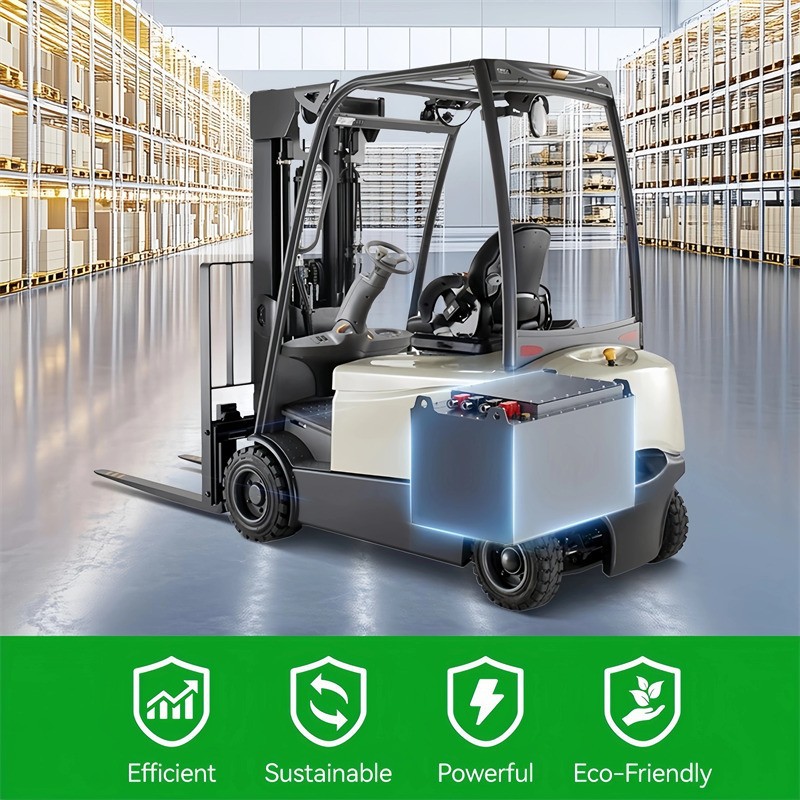

If you're interested in purchasing high - quality forklift batteries for parallel connection, we're here to help. Whether you need 24V LiFePO4 Forklift Battery, 36V 690Ah LiFePO4 Forklift Battery, or 48V LiFePO4 Forklift Battery, we have a wide range of options to meet your needs. Reach out to us for more information and to start a procurement discussion.
References
- Battery University: A comprehensive resource for battery knowledge and best practices.
- Forklift Operator's Manuals: These often contain valuable information on battery maintenance and connection.