

Selecting the right forklift battery is a critical decision that can significantly impact the efficiency, productivity, and overall cost of your material handling operations. As a trusted forklift batteries supplier, I understand the complexities involved in this choice. In this blog, I'll guide you through the key factors to consider when choosing the ideal forklift battery for your specific needs.
Understanding Your Forklift's Requirements
The first step in choosing the right forklift battery is to understand your forklift's specifications and requirements. Different forklifts have different power needs based on their size, load capacity, and usage patterns. For instance, a small electric pallet jack may require a lower voltage battery, while a large counterbalance forklift used in a busy warehouse may need a high-capacity battery.
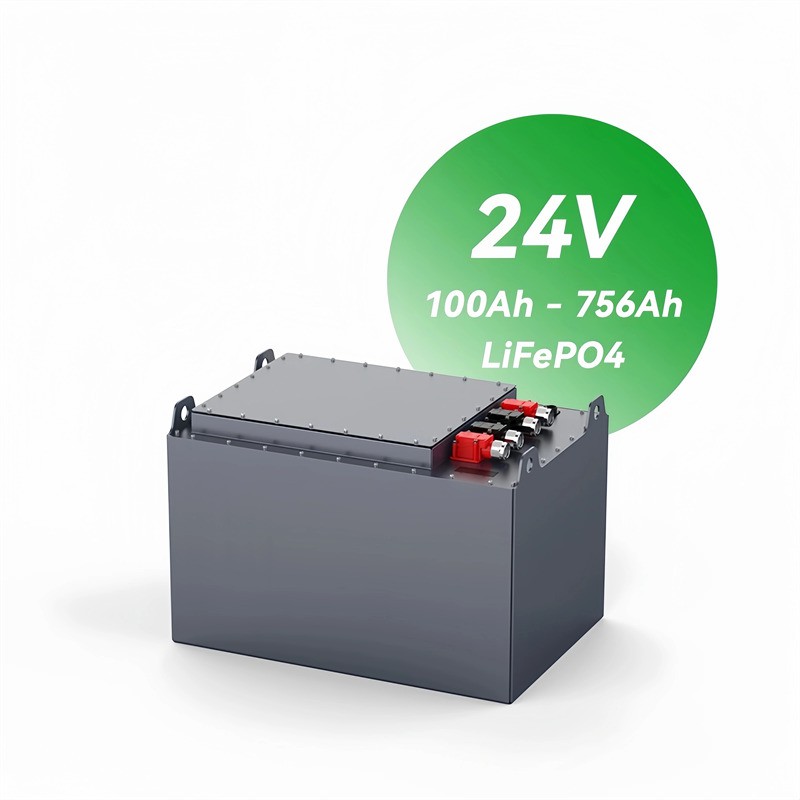
- Voltage: The voltage of the battery must match the voltage requirements of the forklift. Common voltages for forklift batteries include 24V, 36V, and 48V. A 24V LiFePO4 Forklift Battery is suitable for smaller forklifts with lighter loads and less demanding applications. On the other hand, a 48V LiFePO4 Forklift Battery can provide more power and is often used in larger forklifts or those with higher load capacities.
- Capacity: Battery capacity is measured in ampere-hours (Ah) and indicates the amount of charge the battery can store. A higher Ah rating means the battery can provide power for a longer period. Consider the typical operating time of your forklift per shift and choose a battery with a capacity that can meet those requirements. For example, a 36V 690Ah LiFePO4 Forklift Battery offers a relatively high capacity and can be a good choice for forklifts with long operating hours.
Evaluating Battery Types
There are several types of forklift batteries available, each with its own advantages and disadvantages. The most common types include lead-acid batteries and lithium-ion batteries, specifically LiFePO4 (lithium iron phosphate) batteries.
- Lead-Acid Batteries: These are the traditional choice for forklifts and have been used for many years. They are relatively inexpensive and widely available. However, lead-acid batteries have some drawbacks. They require regular maintenance, such as watering and equalizing charges, and have a shorter lifespan compared to lithium-ion batteries. They also take longer to charge and may experience a significant voltage drop as they discharge, which can affect the performance of the forklift.
- LiFePO4 Batteries: LiFePO4 batteries are a newer technology that offers several advantages over lead-acid batteries. They have a longer lifespan, often lasting up to three times longer. They require little to no maintenance, eliminating the need for watering and equalizing charges. LiFePO4 batteries also have a higher energy density, which means they can store more energy in a smaller and lighter package. They can be charged much faster, reducing downtime, and maintain a more consistent voltage throughout the discharge cycle, providing better performance for the forklift.
Considering Your Operational Environment
The operational environment in which your forklift will be used is another important factor to consider when choosing a battery.
- Temperature: Extreme temperatures can affect the performance and lifespan of a battery. Lead-acid batteries are more sensitive to temperature changes and may experience reduced capacity in cold weather. LiFePO4 batteries, on the other hand, have a wider operating temperature range and can perform better in both hot and cold environments.
- Humidity and Dust: If your forklift operates in a humid or dusty environment, you need to choose a battery that can withstand these conditions. Some batteries are designed with sealed cases to protect against moisture and dust, which can help prevent corrosion and damage to the battery.
Analyzing Total Cost of Ownership
When choosing a forklift battery, it's important to consider the total cost of ownership rather than just the upfront cost. While lead-acid batteries may be cheaper to purchase initially, the cost of maintenance, replacement, and downtime over their lifespan can add up. LiFePO4 batteries, although more expensive upfront, can offer significant savings in the long run due to their longer lifespan, lower maintenance requirements, and reduced downtime.
Assessing Charging Infrastructure
The availability and type of charging infrastructure at your facility can also influence your battery choice.
- Charging Time: If your forklifts need to be back in operation quickly, a battery with a fast charging time, such as a LiFePO4 battery, may be a better option. Fast charging can reduce downtime and increase productivity.
- Charging Equipment: You need to ensure that your existing charging equipment is compatible with the battery you choose. If not, you may need to invest in new charging equipment, which can add to the overall cost.
Safety Considerations
Safety is always a top priority when it comes to forklift batteries.
- Overheating and Fire Risk: LiFePO4 batteries are generally considered safer than other lithium-ion batteries because they are more stable and less prone to overheating and fire. Lead-acid batteries also have safety concerns, such as the risk of acid spills and hydrogen gas emissions during charging.
- Handling and Installation: Make sure you follow proper safety procedures when handling and installing the battery. This includes using appropriate protective equipment and ensuring that the battery is installed correctly to prevent any electrical hazards.
Conclusion
Choosing the right forklift battery is a complex decision that requires careful consideration of your forklift's requirements, battery types, operational environment, total cost of ownership, charging infrastructure, and safety. As a forklift batteries supplier, I can provide you with the expertise and guidance you need to make an informed choice. Whether you need a 24V LiFePO4 Forklift Battery, a 48V LiFePO4 Forklift Battery, or a 36V 690Ah LiFePO4 Forklift Battery, I have a wide range of high-quality batteries to meet your needs.

If you're interested in learning more about our forklift batteries or would like to discuss your specific requirements, please don't hesitate to contact us. We're here to help you find the perfect battery solution for your material handling operations.
References
- "Forklift Battery Basics," Forklift World Magazine.
- "Comparing Lead-Acid and Lithium-Ion Forklift Batteries," Material Handling Industry Association.
- "The Impact of Temperature on Forklift Batteries," Battery Technology Journal.