

In the realm of energy storage solutions, motive power batteries and lead - acid batteries have long been two prominent players. As a supplier of motive power batteries, I am often asked about how these two types of batteries stack up against each other. In this blog, I'll take a deep - dive into their characteristics, performance, and applications to help you make an informed decision.
1. Composition and Basic Working Principle
Motive Power Batteries
Motive power batteries, commonly lithium - ion based, are composed of cathode, anode, electrolyte, and separator. The cathode is usually made of lithium - containing compounds such as lithium cobalt oxide, lithium manganese oxide, or lithium iron phosphate. The anode is typically graphite. During charging, lithium ions move from the cathode to the anode through the electrolyte and are stored in the anode's structure. When discharging, the lithium ions flow back to the cathode, generating an electric current.
Lead - Acid Batteries
Lead - acid batteries consist of lead plates (the anode is made of spongy lead, and the cathode is made of lead dioxide) and an electrolyte of sulfuric acid. When the battery is discharging, a chemical reaction occurs between the lead plates and the sulfuric acid, producing lead sulfate and water, and generating an electric current. During charging, the reverse reaction takes place, converting lead sulfate back to lead and lead dioxide.
2. Energy Density
Motive Power Batteries
One of the most significant advantages of motive power batteries is their high energy density. Lithium - ion motive power batteries can store a large amount of energy in a relatively small and lightweight package. For example, lithium iron phosphate motive power batteries can achieve an energy density of around 100 - 150 Wh/kg, while some advanced lithium - ion chemistries can reach even higher values. This high energy density makes them ideal for applications where space and weight are critical, such as electric vehicles and portable electronic devices.
Lead - Acid Batteries
Lead - acid batteries have a much lower energy density compared to motive power batteries. Typically, their energy density ranges from 30 - 50 Wh/kg. This means that for the same amount of energy storage, lead - acid batteries will be much larger and heavier. For instance, in an electric vehicle, using lead - acid batteries would require a significantly larger battery pack, which would increase the vehicle's weight and reduce its efficiency.
3. Cycle Life
Motive Power Batteries
Motive power batteries generally have a longer cycle life. A cycle is defined as one full charge and discharge of the battery. Lithium - ion motive power batteries can typically withstand 1000 - 5000 charge - discharge cycles, depending on the battery chemistry and usage conditions. For example, lithium iron phosphate batteries are known for their excellent cycle life, often lasting over 2000 cycles. This long cycle life reduces the frequency of battery replacement, which is beneficial for long - term cost savings.
Lead - Acid Batteries
Lead - acid batteries have a relatively short cycle life. They usually can only handle 300 - 500 charge - discharge cycles under normal conditions. Deep - cycling lead - acid batteries, which are designed for more frequent full - charge and full - discharge operations, may have a cycle life of around 500 - 1000 cycles. The shorter cycle life means that lead - acid batteries need to be replaced more frequently, increasing the overall cost of ownership.
4. Charging Efficiency
Motive Power Batteries
Motive power batteries have high charging efficiency. Lithium - ion batteries can charge at a relatively high rate, and their charging efficiency can reach over 90%. This means that most of the electrical energy supplied during charging is stored in the battery, with only a small amount lost as heat. Additionally, fast - charging technologies are available for many motive power batteries, which can significantly reduce the charging time. For example, some electric vehicles with lithium - ion motive power batteries can be charged to 80% in less than an hour.
Lead - Acid Batteries
Lead - acid batteries have a lower charging efficiency, typically around 70 - 80%. A significant amount of energy is lost as heat during the charging process, especially when charging at a high rate. Moreover, lead - acid batteries require a longer charging time. Over - charging a lead - acid battery can also cause damage to the battery, such as the formation of lead sulfate crystals, which can reduce the battery's performance and lifespan.
5. Cost
Motive Power Batteries
The upfront cost of motive power batteries is relatively high. The materials used in lithium - ion batteries, such as lithium and cobalt, are expensive, and the manufacturing process is also complex. However, considering their long cycle life, high energy density, and high charging efficiency, the long - term cost of motive power batteries can be competitive. In applications where the battery is used intensively over a long period, the cost per cycle of motive power batteries can be lower than that of lead - acid batteries.
Lead - Acid Batteries
Lead - acid batteries have a lower upfront cost. Lead is a relatively inexpensive material, and the manufacturing process of lead - acid batteries is well - established and less complex. However, due to their short cycle life and lower efficiency, the long - term cost of using lead - acid batteries can be higher, especially in applications with high energy requirements.
6. Environmental Impact
Motive Power Batteries
The environmental impact of motive power batteries is a complex issue. On one hand, the production of lithium - ion batteries requires the extraction of raw materials, which can have environmental consequences such as water pollution and habitat destruction. On the other hand, lithium - ion batteries are more energy - efficient and have a longer lifespan, which can reduce the overall energy consumption and waste generation in the long run. Additionally, efforts are being made to improve the recycling rate of lithium - ion batteries to reduce their environmental footprint.
Lead - Acid Batteries
Lead - acid batteries are a major source of environmental pollution. Lead is a toxic heavy metal, and improper disposal of lead - acid batteries can lead to soil and water contamination. The production process of lead - acid batteries also involves the emission of lead dust and sulfur dioxide, which are harmful to human health and the environment. However, lead - acid batteries have a relatively high recycling rate, with over 90% of lead - acid batteries being recycled in many countries.
7. Applications
Motive Power Batteries
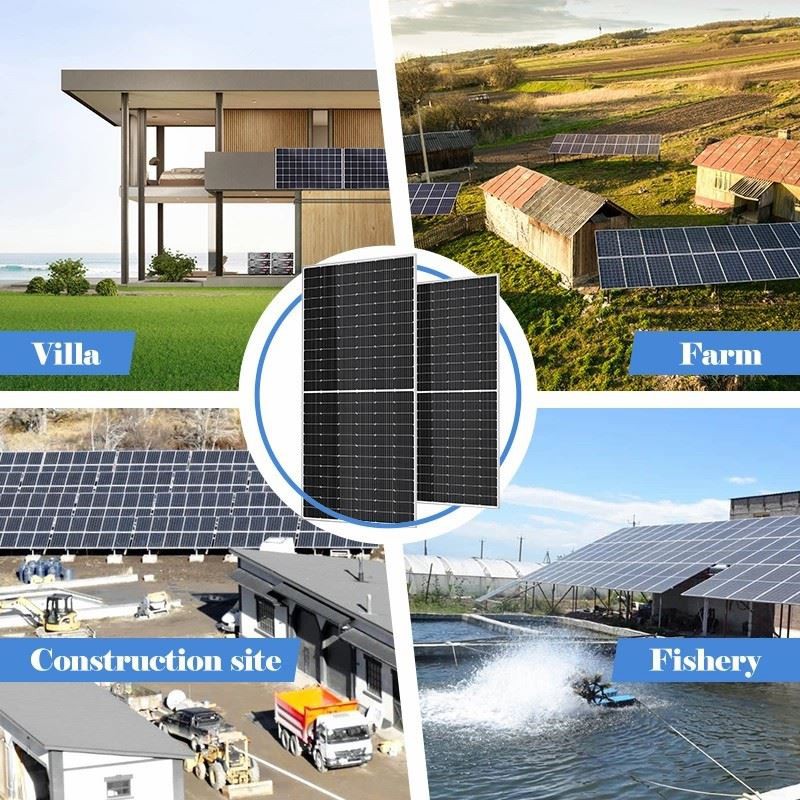
Motive power batteries are widely used in various applications. In the automotive industry, they are the dominant choice for electric vehicles, including cars, buses, and trucks, due to their high energy density and long cycle life. They are also used in portable electronic devices such as laptops, smartphones, and tablets. In the renewable energy sector, motive power batteries can be used for energy storage in conjunction with solar panels like the 550 Watt Monocrystalline Solar Panel or wind turbines. They can store the excess energy generated during peak production periods and release it when needed, improving the stability of the power grid.
Lead - Acid Batteries
Lead - acid batteries are still commonly used in applications where cost is a major concern and high energy density is not required. They are widely used in traditional vehicles as starter batteries to start the engine. They are also used in some uninterruptible power supply (UPS) systems, especially in small - scale applications. However, in larger - scale energy storage applications, their use is being gradually replaced by motive power batteries. For example, in a 3000W Portable Home Power Station, motive power batteries are becoming a more popular choice due to their better performance.
Conclusion and Call to Action
In conclusion, motive power batteries offer significant advantages over lead - acid batteries in terms of energy density, cycle life, charging efficiency, and environmental friendliness. While the upfront cost of motive power batteries is higher, their long - term cost - effectiveness makes them a more attractive option for many applications.
If you are in the market for a reliable and high - performance energy storage solution, I encourage you to consider our motive power batteries. Our products are designed to meet the diverse needs of different industries, whether it's for electric vehicles, renewable energy storage, or portable power applications. We also offer customized solutions to fit your specific requirements.
Whether you are looking to power a small - scale project or a large - scale industrial application, our motive power batteries can provide the energy storage solution you need. Contact us today to start a discussion about your energy storage needs and explore how our motive power batteries can benefit your business.

References
- Linden, D., & Reddy, T. B. (2002). Handbook of Batteries. McGraw - Hill.
- Tarascon, J. M., & Armand, M. (2001). Issues and challenges facing rechargeable lithium batteries. Nature, 414(6861), 359 - 367.
- Rand, D. A. J., Moseley, P. T., Garche, J., & Tao, X. (2004). Valve - Regulated Lead - Acid Batteries. Elsevier.